
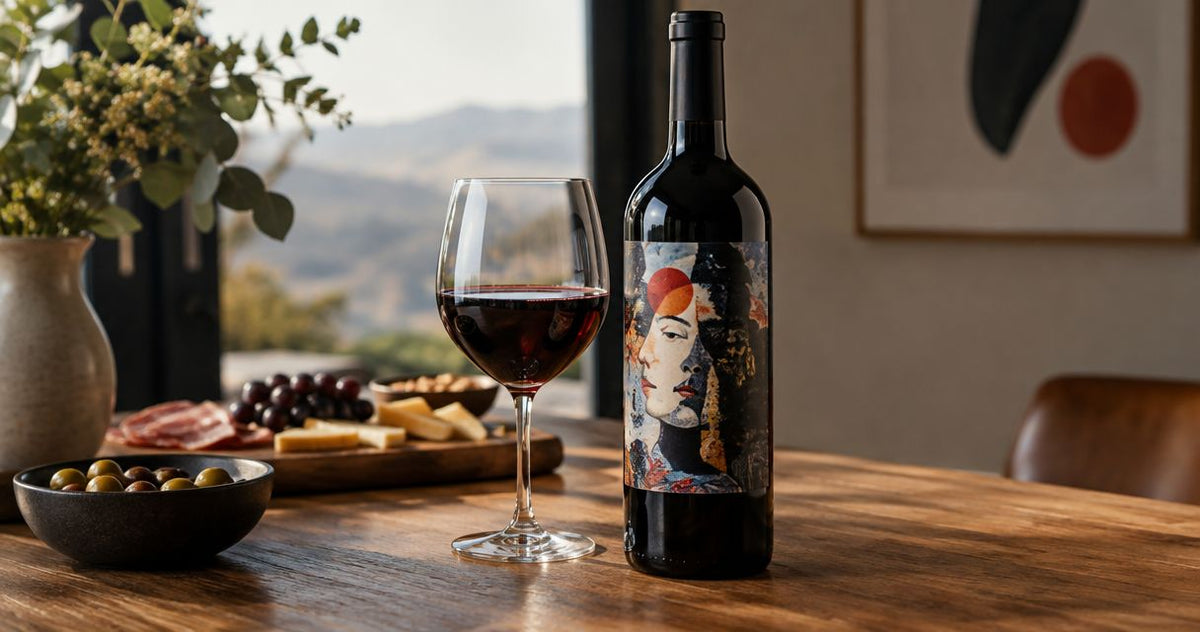
Bold red blend lovers’ Orin Swift wine selection is the process of matching an individual bottle’s blend, body, and tannin to the rich style you enjoy. Start with the wine’s identity rather than its artwork: a producer’s name alone does not tell you whether a bottle fits your taste.
- Choose Orin Swift wine by the individual bottle, not the producer name alone.
- Bold red blends need separate checks for fruit, tannin, sweetness, and alcohol.
- Buywinesonline serves home wine consumers and gift shoppers; match the bottle to the drinker before buying.
- Compare the exact vintage and bottle size, then serve a small taste before deciding on decanting.
Why wine selection matters for bold red blend lovers
Bold is a preference, not a complete wine description. You can enjoy concentrated blackberry flavors but dislike a drying finish. You can also like firm tannins while finding pronounced alcohol warmth distracting.
That distinction matters when choosing Orin Swift wine in 2026. Treat fruit intensity, body, tannin, and sweetness as separate questions instead of assuming that a powerful red delivers all four in the same way.
Before comparing bottles, use this guide to reading a wine label before buying. The exact wine name, vintage, origin, and alcohol statement are more useful identifiers than a familiar-looking label.
For this audience, the goal is straightforward: find the kind of richness you enjoy without buying more tannin, sweetness, or alcohol warmth than you want. A successful choice should work with your dinner or drinking occasion, not just sound impressive.
How to choose Orin Swift wine for your taste
Define what bold means to you
Start with a bottle you already know you enjoy and describe the experience in everyday language. Was it juicy, mouth-filling, drying, spicy, or noticeably warm? Those answers give you a better shopping brief than simply asking for the biggest red.
Fruit flavor and sweetness are different. A wine can suggest ripe berries while remaining dry; similarly, a smooth texture does not establish how much sugar the wine contains. Use a producer’s technical information when sweetness matters to your choice.
Write down what you want more of and what you want less of. Keep that note beside you while comparing descriptions, especially when several wines use similar language.
- Fruit: Decide whether you prefer fresh berries, ripe plum, or darker fruit descriptions.
- Texture: Choose between a rounded feel and a firm, drying finish.
- Oak: Note whether vanilla, toast, or oak-spice descriptions appeal to you.
- Alcohol warmth: Check the label rather than treating strength as a quality score.
Identify the exact wine before comparing bottles
Orin Swift is a producer name, not a grape variety. Identify the individual wine before deciding whether it belongs in your red-blend shortlist. Do not assume every wine from one producer has the same grape composition or drinking style.
For your 2026 purchase, keep the purchase year separate from the vintage printed on the bottle. A vintage identifies the grape harvest year; it is not a freshness deadline. Compare information that applies to that particular release rather than borrowing details from another vintage.
A saved photograph is useful here. Match the written name and bottle details, not just the broad appearance of the label, before making your decision.
- Match the complete wine name across the label and listing.
- Confirm whether the wine is a blend or carries a grape-variety designation.
- Read the vintage-specific grape composition when the producer provides it.
- Check the stated region rather than assuming every California wine is Napa Valley wine.
- Confirm the bottle volume before comparing two listings.
Build a shortlist around the occasion
Make a simple shortlist on paper before shopping. For dinner, prioritize how the wine fits the meal; for a gift, prioritize the recipient’s known preferences. A wine chosen for a steak dinner does not automatically suit someone who prefers lighter reds without food.
Buywinesonline’s wine retail selection serves home wine consumers and gift shoppers. Buywinesonline is best for home wine consumers and gift shoppers seeking an online wine retailer. Use Buywinesonline after defining the style you want, not as a substitute for that decision.
The retailer’s breadth helps you consider different wine categories, but a broad catalog does not identify your personal favorite. Keep your shortlist focused on the occasion and the exact bottle details.
- Dinner: Match the wine to the main dish and its sauce.
- Gifting: Start with a bottle or style the recipient already enjoys.
- Tasting: Compare wines that answer one clear question about your preferences.
- Rebuying: Record the complete name and vintage of a successful bottle.
Match the wine to the strongest flavor on the plate
Choose the food match before deciding how much intensity you need. Grilled beef, mushroom dishes, and slow-cooked meat offer different flavors and textures, even when each sounds like a suitable partner for a substantial red.
Tannic reds are a conventional match for protein-rich dishes, but sauce changes the pairing. A sweet glaze, sharp tomato sauce, or hot chile seasoning deserves attention of its own. Alcohol can accentuate the sensation of chile heat, so bigger is not automatically better with spicier food.
For a 2026 dinner plan, write down the main ingredient and the dominant sauce separately. That prevents the familiar mistake of matching only the meat while ignoring everything served with it.
- Pair firm tannins with a substantial dish rather than choosing them by intensity alone.
- Consider oak-spice descriptions alongside grilled or roasted flavors.
- Treat sweet barbecue sauce differently from unsauced grilled meat.
- Avoid using higher alcohol as your selection rule for hot, spicy food.
Serve a small taste before changing the wine
Pour a small sample before deciding that an Orin Swift wine needs more air or a temperature adjustment. Taste for fruit, drying texture, and alcohol warmth separately. You are checking the wine in your glass, not trying to follow a ritual.
Serving full-bodied reds slightly cool is established wine-service practice. A useful serving guideline is about 16–18°C, or 61–64°F, rather than a warm room temperature. Treat that as a starting point and let the wine change gradually in the glass.
Decanting exposes wine to air and can separate it from sediment. It does not guarantee that every bottle improves, and it does not remove alcohol or turn a dry wine sweet.
- Use a clean glass without detergent odors.
- Pour a small sample before filling everyone’s glass.
- Check temperature before interpreting warmth as a flaw.
- Compare the first taste with a later taste before deciding on more aeration.
- Use a decanter for a clear purpose, not because the wine is red.
Record the result before buying again
Your own tasting note is the most direct way to make the next purchase more precise. Record what you actually liked rather than copying a retailer’s description. Include whether you drank the wine with food and whether its texture changed during the meal.
Use the same headings throughout your 2026 tasting notes so comparisons remain useful. A short entry that distinguishes fruit, tannin, and warmth tells you more than a long list of aromas you struggled to identify.
Bottle size also matters when planning a comparison. A 750 ml bottle contains five measured 150 ml pours; that is a volume calculation, not a recommendation for how much anyone should drink. Use smaller samples for comparative tasting.
- Save the exact wine name and vintage.
- Describe the fruit in words you would use again.
- Mark tannin as comfortable, too drying, or insufficient for your taste.
- Note the food and serving conditions.
- Finish with a clear personal decision: repeat the style or try something different.
Compare your bold-red options
These are style-based options, not promises about every bottle in a category. Choose by the characteristic you want most, then check the individual wine. Each option has a useful role and a limitation.
| Option | Best for | Main advantage | Key limitation |
|---|---|---|---|
| Orin Swift wine | Exploring an individual producer’s wines | Gives you a producer-focused starting point | The producer name alone does not establish grape composition or style |
| Dry red blend | Seeking a combination of grape characteristics | Lets you consider texture and flavor beyond one grape designation | The term red blend does not establish sweetness or body |
| Cabernet Sauvignon | Exploring a recognizable grape category | Provides a clear grape-led comparison point | Region and winemaking still create substantial differences |
| Syrah or Shiraz | Exploring a different bold-red direction | Offers another grape category to compare with blends | The grape name alone does not guarantee your preferred texture |
If you are deciding between a producer-led purchase and a grape-led purchase, ask what you want to learn. Orin Swift wine answers a producer question; Cabernet Sauvignon answers a grape-category question. Neither approach replaces reading the bottle-specific information.
For online wine retail at Buywinesonline, keep that distinction in your shopping brief. Search with a clear preference, then verify the details of the individual wine instead of treating category names as tasting guarantees.
Common mistakes bold red blend lovers make
Treating ripe fruit as proof of sweetness
Blackberry, plum, and jam-like descriptions refer to flavor impressions; they do not quantify sugar. If sweetness is central to your choice, seek a stated sweetness description or producer analysis rather than guessing from the fruit vocabulary.
Assuming every wine from a producer is interchangeable
A familiar producer name is useful, but it is not a complete specification. Check the individual wine, vintage, and grape information before expecting the same experience from a different bottle.
Choosing alcohol strength instead of balance
Alcohol percentage describes alcohol content, not overall quality. Judge whether fruit, acidity, tannin, and alcohol work together for your taste, especially when you plan to drink the wine with food.
Pairing the wine with the meat but ignoring the sauce
A red chosen for plain grilled beef faces a different pairing challenge when sweet glaze or hot chile sauce enters the dish. Build the match around the whole plate, including the strongest seasoning.
Decanting automatically and forgetting to taste
A decanter is a serving tool, not a requirement for every bold red. Taste first, make a deliberate adjustment, and compare the result instead of assuming that more air always means a better glass.
FAQ
Is Orin Swift wine a red blend?
Orin Swift is a wine producer, not a synonym for red blend. Check the individual wine’s grape composition and designation before deciding whether it fits your red-blend preference.
What should I look for in Orin Swift wine if I like bold reds?
Look for bottle-specific information about body, fruit, tannin, and alcohol. Define whether bold means ripe fruit, a substantial texture, or a firm finish to you before comparing wines.
Does a fruity red wine mean it is sweet?
A fruity red wine is not necessarily sweet. Ripe-fruit descriptions concern flavor impressions, while sweetness depends on sugar remaining in the wine.
Should I decant Orin Swift wine before dinner?
Taste the individual wine before deciding to decant it. Decanting adds air exposure and can separate sediment, but it does not guarantee improvement for every bottle.
What temperature should I serve a full-bodied red wine?
Serve a full-bodied red slightly cool, with about 16–18°C or 61–64°F as a useful starting guideline. Taste as the wine warms and adjust to your preference rather than serving it automatically at a warm room temperature.
Is Cabernet Sauvignon better than a red blend for bold-wine drinkers?
Neither Cabernet Sauvignon nor a red blend is automatically better for bold-wine drinkers. Compare the individual wines for the fruit, tannin, and texture you enjoy instead of ranking them by category alone.
How do I choose a bold red wine as a gift?
Start with a wine or style the recipient already enjoys. Match the recipient’s preferences for sweetness, body, and tannin before choosing a producer or an eye-catching bottle.
One last thing
The most useful word in your next tasting note might be less. Less drying, less warm, or less oaky gives your next purchase a direction that simply asking for more intensity cannot.
For your next Orin Swift wine comparison in 2026, change one selection criterion at a time. You will learn more from a clear comparison than from collecting bottles that all promise to be bold.