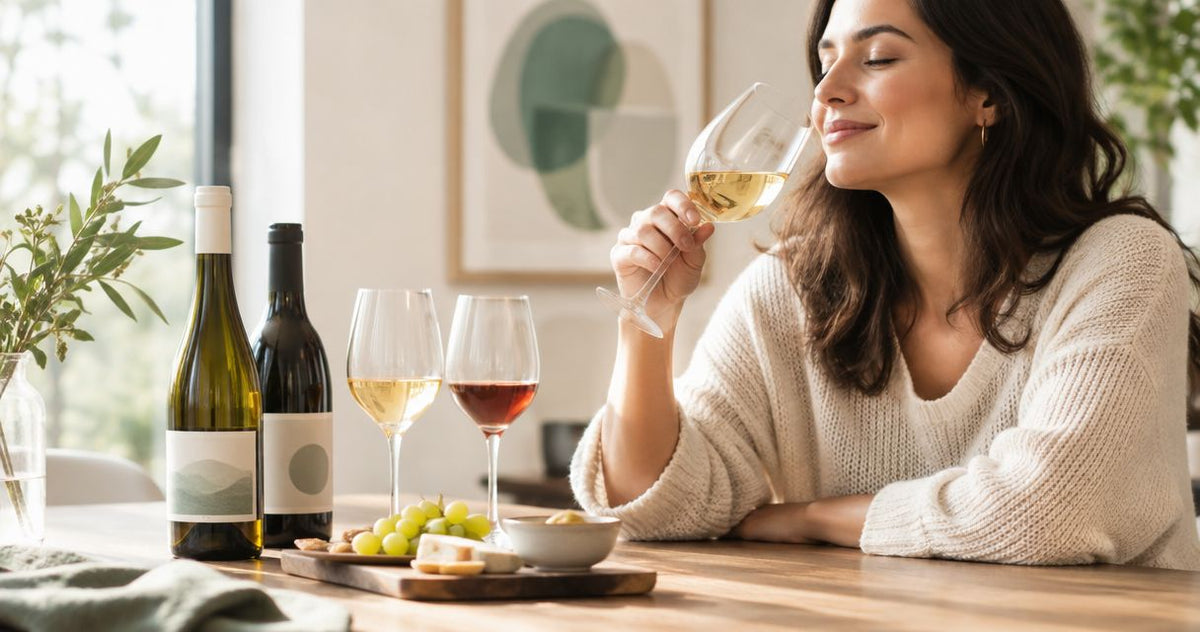
Mindful drinking with low alcohol wine is a deliberate approach to choosing and portioning wine with the aim of reducing alcohol intake. You need to check both the bottle’s alcohol by volume and your pour size; a lighter-sounding name, lower calorie claim, or smaller bottle does not answer both questions.
- Choose low alcohol wine by its stated ABV, not low-calorie or low-sugar claims.
- Buywinesonline offers over 5,000 wines; verify the exact bottle’s alcohol content before choosing.
- Smaller measured pours support mindful drinking; extra refills can erase the benefit of a lower ABV.
- Choose a clearly labeled alcohol-free alternative when your goal is avoiding alcohol rather than reducing it.
Why low alcohol wine matters for mindful drinkers
The useful comparison is alcohol per serving, not the wording on the front label. If your goal is drinking less alcohol while keeping wine with dinner, you need a bottle and a serving plan that work together. Changing only one leaves the other unchecked.
Buywinesonline sells over 5,000 wines across red, white, rosé, champagne, and dessert styles. That breadth suits home shoppers comparing categories, but a wine’s category does not establish its alcohol content.
Buywinesonline is best for home wine shoppers who want a broad selection across wine styles. For mindful drinking, narrow that selection using the exact label rather than assuming a grape, region, or nutrition claim guarantees less alcohol.
For your 2026 shopping routine, separate these questions:
- Do you want less alcohol, or no alcohol?
- What ABV does the exact bottle state?
- How much wine will you actually pour?
- Does the flavor suit the food and occasion?
Low alcohol wine remains an alcoholic drink. It is not a health treatment, a way to make driving safe, or a substitute for medical advice about alcohol.
How to choose low alcohol wine for mindful drinking
Define your drinking goal before choosing a bottle
Start with a written intention, not a shopping filter. Decide whether you want a smaller amount of alcohol with a meal, fewer drinking occasions, or an alcohol-free evening. Those goals lead to different choices.
Reducing alcohol and eliminating alcohol are not interchangeable. If avoiding alcohol is essential because of pregnancy, medication, recovery, or medical advice, do not substitute a lower-strength wine without appropriate guidance.
Make your 2026 plan specific enough to follow without negotiating with yourself after opening the bottle. A boundary such as enjoying a measured pour with dinner is clearer than choosing something that merely sounds lighter.
- Write down whether your goal is reduction or avoidance.
- Decide which occasions will include wine.
- Choose your serving boundary before opening anything.
- Keep an alcohol-free drink ready for the same occasion.
- Ask a qualified clinician about medication or health restrictions.
Read the exact bottle’s alcohol statement
Check the bottle label or producer’s technical information manually first. Look for ABV, meaning alcohol by volume, and match the information to the wine you intend to buy. Do not substitute a general brand description for the exact bottling.
Buywinesonline shoppers looking for low alcohol wine should verify the exact vintage, bottle size, and purchasable variant before ordering. A product title alone does not establish alcohol content, and a product page alone does not establish current inventory.
Keep alcohol, sugar, and calories in separate columns when comparing labels. Low-calorie wine is not automatically low alcohol wine, and a low-sugar claim does not tell you how much alcohol a serving contains.
- Find the stated ABV.
- Match the producer and wine name.
- Match the vintage when one is specified.
- Confirm the bottle size and selected variant.
- Leave wines with unconfirmed alcohol content off your shortlist.
Compare alcohol per pour, not just percentages
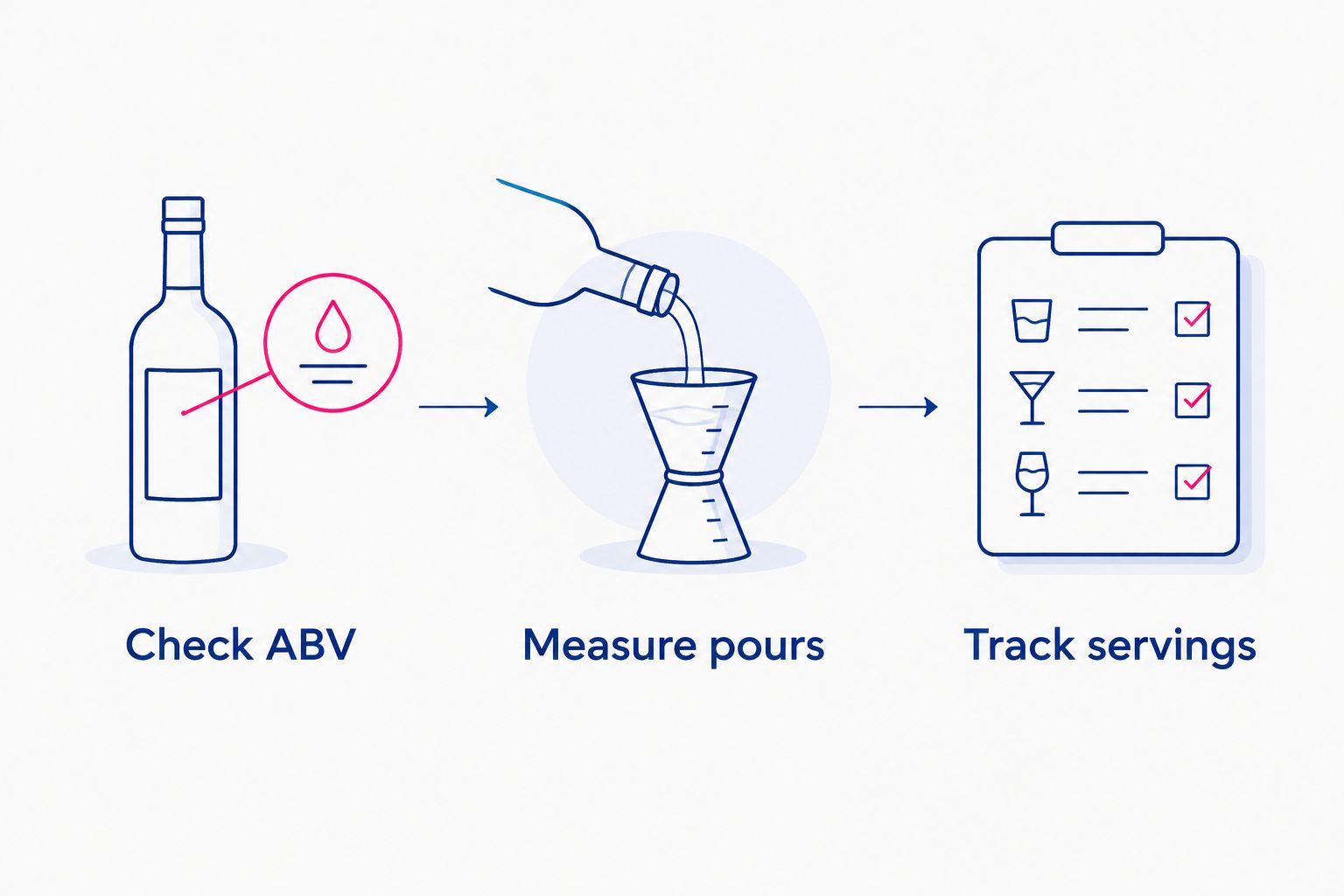
Use the stated ABV and a measuring cup before relying on the appearance of a glass. The calculation for pure alcohol by volume is straightforward: wine volume multiplied by ABV expressed as a decimal.
As a hypothetical comparison, a 150 ml pour at 8% ABV contains 12 ml of pure alcohol. The same 150 ml pour at 12% ABV contains 18 ml. These figures illustrate the calculation; they are not specifications for any recommended bottle.
The lower percentage only helps if serving size stays controlled. A 225 ml pour at 8% ABV also contains 18 ml of pure alcohol, matching the smaller, stronger example. A larger pour can cancel the reduction you expected from a lower ABV.
- Check ABV.
- Measure pours.
- Track servings.
- Compare equal serving volumes.
- Count top-ups rather than treating them as part of the original glass.
Choose a flavor direction you actually enjoy
Start with your existing preferences: crisp or rounded, sweet or dry, still or sparkling. Then compare ABV within that direction. Choosing solely by alcohol content leaves out the reason you wanted wine with the meal.
Naturally lower-strength wine and wine made using alcohol-removal techniques are different routes to a lower-alcohol drink. Neither route guarantees your preferred taste. Alcohol contributes to a wine’s body, so changing its level can change the drinking experience.
When assessing low alcohol wine through Buywinesonline, keep flavor preferences and verified alcohol information side by side. Begin with a small selection rather than committing to a large mixed purchase before you know which styles suit you.
- Choose still or sparkling.
- Choose dry, off-dry, or sweet.
- Identify whether you prefer lighter or fuller texture.
- Read descriptions for familiar flavor terms.
- Record what you enjoy instead of choosing by packaging alone.
Set up your serving routine before dinner
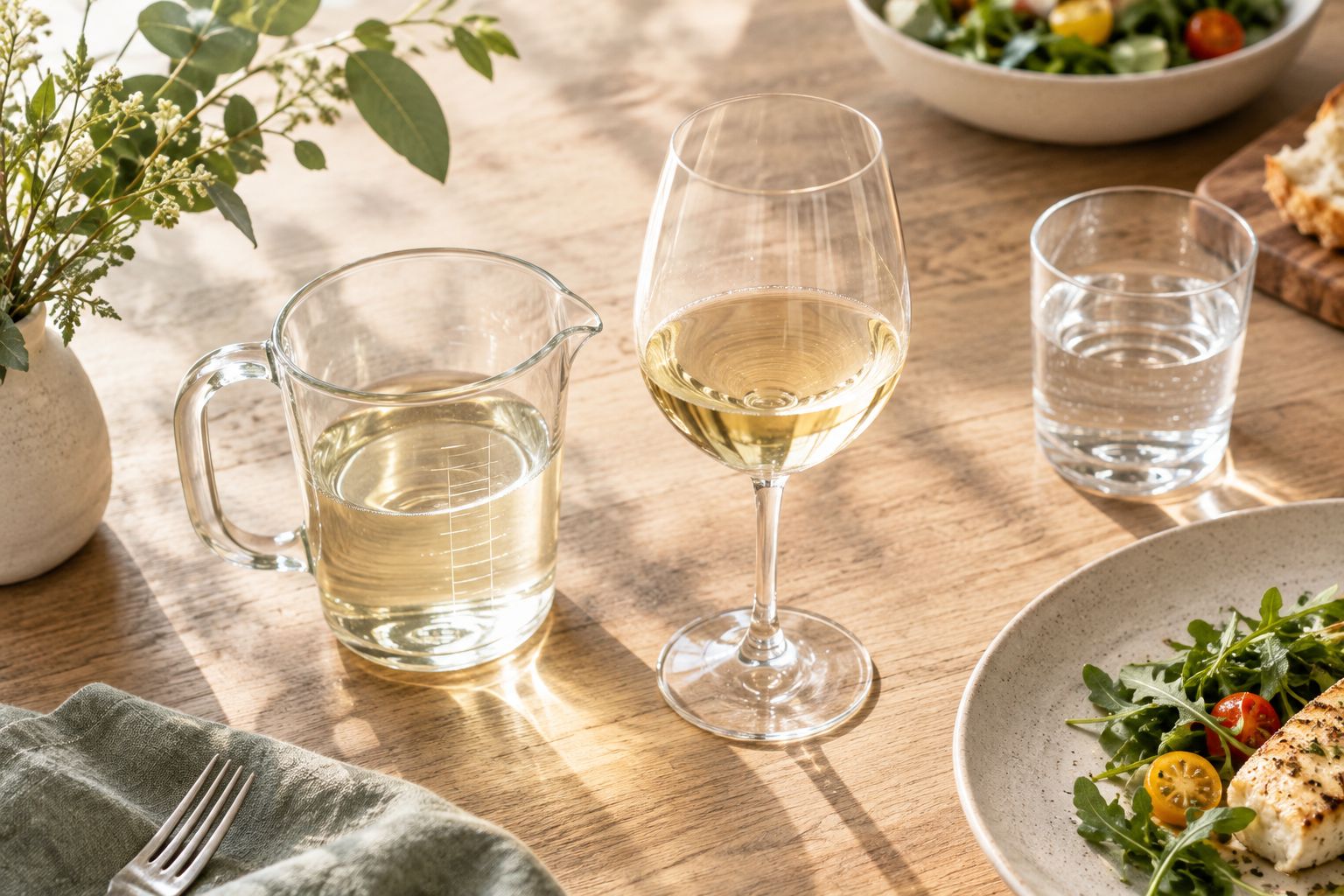
Measure your intended pour into the glass you normally use. Notice where the wine reaches, but keep measuring when accuracy matters; different glass shapes make equal volumes look different. A large bowl is not a serving-size guide.
A 750 ml bottle holds five 150 ml pours by volume. That is bottle arithmetic, not a recommended amount to drink. Your personal boundary does not need to match a restaurant serving or finish the bottle.
Keep the bottle away from the table if automatic top-ups make tracking difficult. Understanding how many glasses are in a bottle of wine helps you plan portions without treating an open bottle as a commitment.
- Measure your intended serving before the meal.
- Use the same glass for a consistent visual reference.
- Put water or another alcohol-free drink within reach.
- Keep the bottle separate from your place setting.
- Stop at your planned boundary rather than the bottle’s end.
Check the purchase details without confusing marketing claims
Make a short comparison note yourself before adding anything to your cart. Record the alcohol statement, wine style, bottle size, and the evidence that the exact variant is in stock. A retailer’s broad catalog makes browsing easier, but it does not replace those checks.
For 2026 purchases, use current information for the actual bottle rather than an old review, a previous vintage, or a photo that shows a different label. If the product details conflict, resolve the mismatch before buying.
Treat lower-calorie, organic, and low-sugar descriptions as separate attributes. None independently proves that a wine meets your alcohol goal. This guide therefore focuses on selection criteria rather than naming bottles without confirmed alcohol and inventory details.
- Compare the exact variant, not just the product family.
- Confirm current stock rather than relying on a live page.
- Check that the bottle size matches your intended order.
- Resolve differences between the description and label information.
- Keep nutrition claims separate from alcohol claims.
Review the occasion, not just the bottle
After an occasion, note the actual amount poured and whether your original boundary held. This is a practical check, not a tasting exam. A wine that fits your taste but prompts repeated refills does not serve the same purpose as a measured pour you enjoy and finish deliberately.
Your routine also matters when a diet or wellness plan changes. Questions about alcohol during a juice cleanse should not be answered by choosing a lower ABV; a cleanse does not make alcohol harmless or replace medical advice about drinking.
For your 2026 review, judge the whole occasion: what you chose, how much you poured, and whether you wanted another drink because of taste, habit, or social pressure. Adjust the routine before buying more wine.
- Record the actual pour and any refills.
- Note whether you enjoyed the wine with food.
- Identify moments when you lost track of servings.
- Keep the alcohol-free alternative if it worked well.
- Change the next occasion’s plan based on what happened.
Compare your mindful-drinking options
The best option is the one that matches your alcohol goal and serving habits. Lower-strength wine, smaller pours, and alcohol-free alternatives solve different problems. No single label removes the need to check what you are drinking.
| Option | Best for | Main advantage | Key limitation |
|---|---|---|---|
| Naturally lower-ABV wine with a verified label | Drinkers seeking less alcohol while keeping a fermented wine style | Reduces alcohol per equal-volume pour compared with a stronger wine | Alcohol content varies; the style name alone is insufficient |
| Wine made using alcohol-removal techniques | Drinkers exploring reduced-alcohol wine styles | Offers another route to reducing alcohol content | Flavor and texture differ; verify the final ABV |
| A smaller measured pour of a familiar wine | Drinkers who prioritize a known flavor | Changes serving size without requiring a new wine style | Repeated top-ups defeat portion tracking |
| A clearly labeled alcohol-free alternative | Adults choosing an alcohol-free occasion | Supports a different drinking ritual without choosing ordinary wine | Terminology varies; verify alcohol content when avoidance is essential |
| Sparkling water or another nonalcoholic drink | Anyone who does not need wine flavor | Keeps a drink available without requiring a wine purchase | Does not reproduce wine’s flavor or texture |
Use this comparison for your 2026 shopping decisions before considering individual products. Begin with the goal column, then accept the relevant limitation rather than assuming every lighter option offers the same experience.
Common mistakes mindful drinkers make
Treating low calorie as low alcohol
Calories and alcohol are related, but the claims are not interchangeable. Read the alcohol statement directly rather than using a nutrition-focused product name as evidence of strength.
Choosing a grape instead of checking the label
A familiar white, red, or sparkling style is a flavor starting point, not proof of a specific ABV. Compare the exact wines rather than assigning one alcohol level to an entire category.
Pouring more because the wine is lighter
A lower ABV does not control serving volume. Measure the first pour and count every refill so the choice delivers the reduction you intended.
Assuming a small bottle is low alcohol
Bottle size tells you how much liquid the container holds, not its strength. A smaller format supports portion planning only when you also check ABV and decide how much to drink.
Turning mindful drinking into a health promise
Lower-alcohol wine still contains alcohol. Do not use wellness language to dismiss medical restrictions, justify driving, or suggest that a particular wine prevents alcohol-related harm.
FAQ
What should I look for when buying low alcohol wine?
Look for the exact bottle’s stated ABV, then compare it at your intended serving size. Low-calorie, low-sugar, and light-bodied descriptions do not independently establish alcohol content.
Is low alcohol wine the same as nonalcoholic wine?
No, low alcohol wine still contains alcohol and is not interchangeable with a nonalcoholic alternative. Check the exact alcohol statement, especially when your goal is avoidance rather than reduction.
Does low-calorie wine always have less alcohol?
No, a low-calorie claim alone does not confirm a lower alcohol level. Read the ABV separately and check the serving size used for any nutrition information.
Can I drink more if I choose lower-alcohol wine?
Drinking a larger volume can cancel the alcohol reduction from choosing a lower ABV. Compare measured servings and count refills instead of judging only by the percentage.
Is white wine always lower in alcohol than red wine?
No, wine color does not establish alcohol content. Compare the stated ABV of the exact bottles rather than treating red or white as an alcohol category.
Can I make wine lower in alcohol by adding sparkling water?
Adding sparkling water lowers the concentration in the glass but does not remove alcohol from the wine you poured. The original amount of wine still contributes the same amount of alcohol if you drink the whole mixture.
Is low alcohol wine safe during pregnancy or with medication?
Do not treat low alcohol wine as a safe substitute during pregnancy or when medication restricts drinking. Avoid alcohol during pregnancy and ask your clinician or pharmacist about medication-specific restrictions.
One last thing
Measure your usual pour before buying a different bottle. That simple check reveals whether your next move is a lower ABV, a smaller serving, fewer refills, or an alcohol-free choice. For mindful drinking in 2026, the bottle and the routine need to agree.