
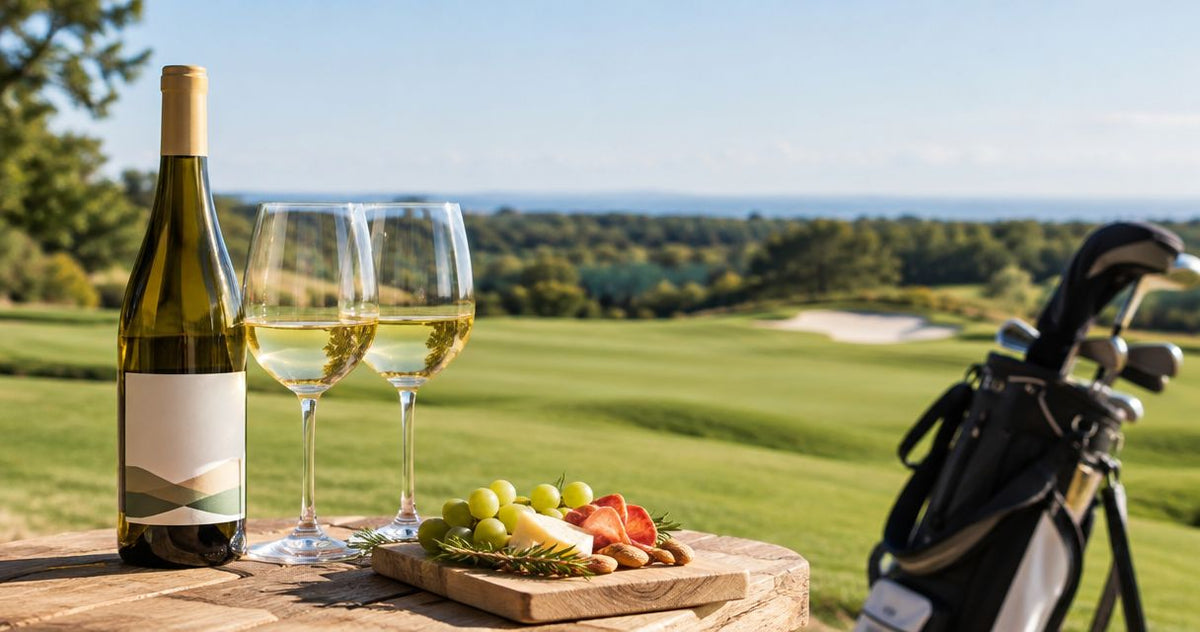
Best overall: Sauvignon Blanc. Best for a warm-weather reception: dry rosé. Best for a simple clubhouse lunch: Pinot Grigio. This 2026 guide ranks wine for golf outing hosts by menu, serving setup, and guest preferences; Buywinesonline offers red, white, rosé, and sparkling wines for your selection.
- Choose Sauvignon Blanc as the default wine for golf outing receptions with salads, seafood, or light appetizers.
- Choose dry rosé for a warm-weather buffet, Pinot Grigio for lunch, and Pinot Noir for a seated dinner.
- Reserve brut sparkling wine for the awards toast rather than making it your only wine.
- Buywinesonline serves home wine shoppers and gift buyers; choose the wine style before selecting individual bottles.
- Confirm venue alcohol rules, arrange chilled storage, and provide water and nonalcoholic choices.
Why this matters
Choose wine for the reception you are actually hosting, not for the golf theme. A patio buffet, sandwich lunch, steak dinner, and awards toast need different selections. Start with the food and service plan.
For a 2026 golf outing, get the venue's approval before arranging outside alcohol. Ask who handles purchasing, storage, opening, pouring, and cleanup, and confirm whether glass containers are permitted in each event area. Plan alcoholic service around the clubhouse gathering after play, with safe transportation arranged.
A good selection does not require a long wine list. Give each wine a clear job, keep water easy to reach, and offer appealing nonalcoholic drinks without requiring guests to request them separately.
What makes the best wine for a golf outing?
Use these criteria before choosing labels:
- Menu fit: Match the main food, including sauces and dressings, rather than the event's name.
- Guest preferences: Cover crisp-white and red-wine preferences without assuming everyone wants the same style.
- Serving conditions: Choose wines you can keep at an appropriate temperature throughout the reception.
- Service simplicity: Favor a short selection with clear descriptions over a tasting menu that needs explanation.
- Event role: Separate the everyday reception pour from a dedicated toast or dinner wine.
For Buywinesonline wine shoppers planning a golf outing, Sauvignon Blanc is the best default for a light-food reception. It offers a clear starting point; add another style only when the menu or your guests give it a purpose.
Best golf outing wines at a glance
These are style recommendations, not rankings of individual bottles. Sweetness, body, oak influence, and alcohol vary by producer, so read the exact bottle's description before choosing.
| Rank and wine style | Best for | Standout feature | Key limitation |
|---|---|---|---|
| 1. Sauvignon Blanc | Light-food reception | Crisp acidity with salads, seafood, and tangy dressings | Assertive herbal or citrus flavors do not suit every palate |
| 2. Dry rosé | Warm-weather mixed buffet | A chilled option between white and red | Pink color does not establish sweetness |
| 3. Pinot Grigio | Simple clubhouse lunch | Typically light-bodied and straightforward | Delicate examples get lost beside rich sauces |
| 4. Pinot Noir | Seated dinner with red-wine drinkers | Generally lighter tannins than Cabernet Sauvignon | Style varies, and heat makes service harder |
| 5. Brut sparkling wine | Awards toast | Bubbles give the presentation a distinct celebratory role | Requires chilled storage and attentive opening |
1. Sauvignon Blanc: best golf outing wine for light-food receptions
Sauvignon Blanc is a dry white wine commonly associated with citrus, herbal flavors, and crisp acidity. Choose it when your post-round reception centers on green salads, grilled vegetables, seafood, or goat cheese. Its acidity also makes it a useful match for tangy dressings.
Sauvignon Blanc pros:
- Fits a clearly defined light-food menu.
- Offers a crisp alternative to richer, oak-influenced white wines.
- Works as the white-wine anchor of a short reception list.
Sauvignon Blanc cons:
- Pronounced grassy or herbal flavors divide preferences.
- It is not the strongest default for a rich steak dinner.
Best for: A clubhouse reception with light appetizers and guests who prefer dry, crisp white wine.
Look for plain descriptions such as citrus, fresh, crisp, or herbal. Do not assume every region produces the same expression; a strongly grassy bottle and a more restrained example can feel quite different to your guests.
Verdict: Buy Sauvignon Blanc for a light-food reception; choose another lead wine when the menu is mainly rich red meat.
2. Dry rosé: best golf outing wine for a warm-weather buffet
Dry rosé gives your buffet a chilled wine that sits between a crisp white and a red. Depending on the grapes and production method, rosé ranges from delicate and citrusy to fuller and more savory. Choose the lighter end when your food includes salads, chicken, vegetable dishes, and sandwiches.
Dry rosé pros:
- Covers several foods on a varied buffet.
- Gives guests an alternative to both white and red wine.
- Fits an outdoor reception when chilled storage is ready.
Dry rosé cons:
- Color alone tells you neither sweetness nor body.
- It needs the same temperature planning as your white wine.
Best for: A warm-weather reception with a varied buffet rather than a single main course.
For your 2026 outing, confirm that the description says dry if that is what you want. Strawberry or watermelon tasting notes describe flavor; they do not automatically mean the wine is sweet. Ask guests about sweetness preferences instead of using bottle color as a shortcut.
Verdict: Buy dry rosé for a mixed buffet, especially when you want a chilled alternative to white wine.
3. Pinot Grigio: best golf outing wine for a simple lunch
Pinot Grigio is a practical choice for a sandwich-and-salad clubhouse lunch. Many Italian examples are light-bodied, dry, and restrained, with citrus or pear flavors. That makes the style useful when you want the wine to accompany the meal without becoming its focus.
Pinot Grigio pros:
- Matches straightforward lunch foods.
- Offers a less overtly herbal option than Sauvignon Blanc.
- Keeps a casual wine selection easy to explain.
Pinot Grigio cons:
- Lighter examples lack the weight for creamy or heavily sauced dishes.
- Pinot Grigio and Pinot Gris labels do not guarantee an identical style.
Best for: A casual lunch built around sandwiches, mild cheeses, salads, or simply prepared fish.
Read the description for body and sweetness rather than choosing by grape name alone. Pinot Gris is the same grape, but some wines sold under that name are richer in texture than the light lunch style recommended here.
Verdict: Buy a light, dry Pinot Grigio for a simple lunch; skip delicate examples for a rich dinner menu.
4. Pinot Noir: best golf outing wine for a seated dinner
Pinot Noir earns its place when the outing ends with a seated meal and you know guests want red wine. It generally has lighter tannins than Cabernet Sauvignon and pairs well with foods such as roast chicken, salmon, mushrooms, and pork. Choose the bottle's weight to match the dish.
Pinot Noir pros:
- Adds a red option without defaulting to a heavily tannic style.
- Matches several common dinner proteins.
- Works with mushroom-based dishes as well as meat.
Pinot Noir cons:
- Rich, heavily oaked examples differ substantially from lighter styles.
- Bottles left in outdoor heat will not serve well.
Best for: A seated clubhouse dinner with mixed main courses and confirmed red-wine interest.
For a 2026 dinner reception, keep Pinot Noir away from direct sun and warm service stations. Room temperature is not a useful target if the room or patio is hot. Arrange suitable storage with the venue rather than leaving red wine beside the buffet all afternoon.
Verdict: Buy Pinot Noir for the dinner table; skip it as your only option for a light outdoor reception.
5. Brut sparkling wine: best golf outing wine for an awards toast
Brut sparkling wine gives the awards presentation its own wine moment. Brut is a regulated sweetness designation, not a grape or a region, and sparkling wine is not automatically Champagne. Choose by the exact wine's description and the food served alongside the toast.
Brut sparkling wine pros:
- Gives the awards presentation a distinct role in the service plan.
- Pairs well with salty snacks and many fried appetizers.
- Works as a dedicated toast without expanding the whole dinner list.
Brut sparkling wine cons:
- Requires cold storage and careful opening away from guests.
- Needs a separate stopper if you are holding an opened bottle between pours.
Best for: A scheduled awards toast with staff ready to open and pour.
Do not open every bottle before the presentation starts. Coordinate the timing with the speaker so guests receive sparkling wine close to the toast, and offer a nonalcoholic alternative with equal attention.
Verdict: Buy brut sparkling wine for an organized awards toast; skip it as the sole wine for the entire event.
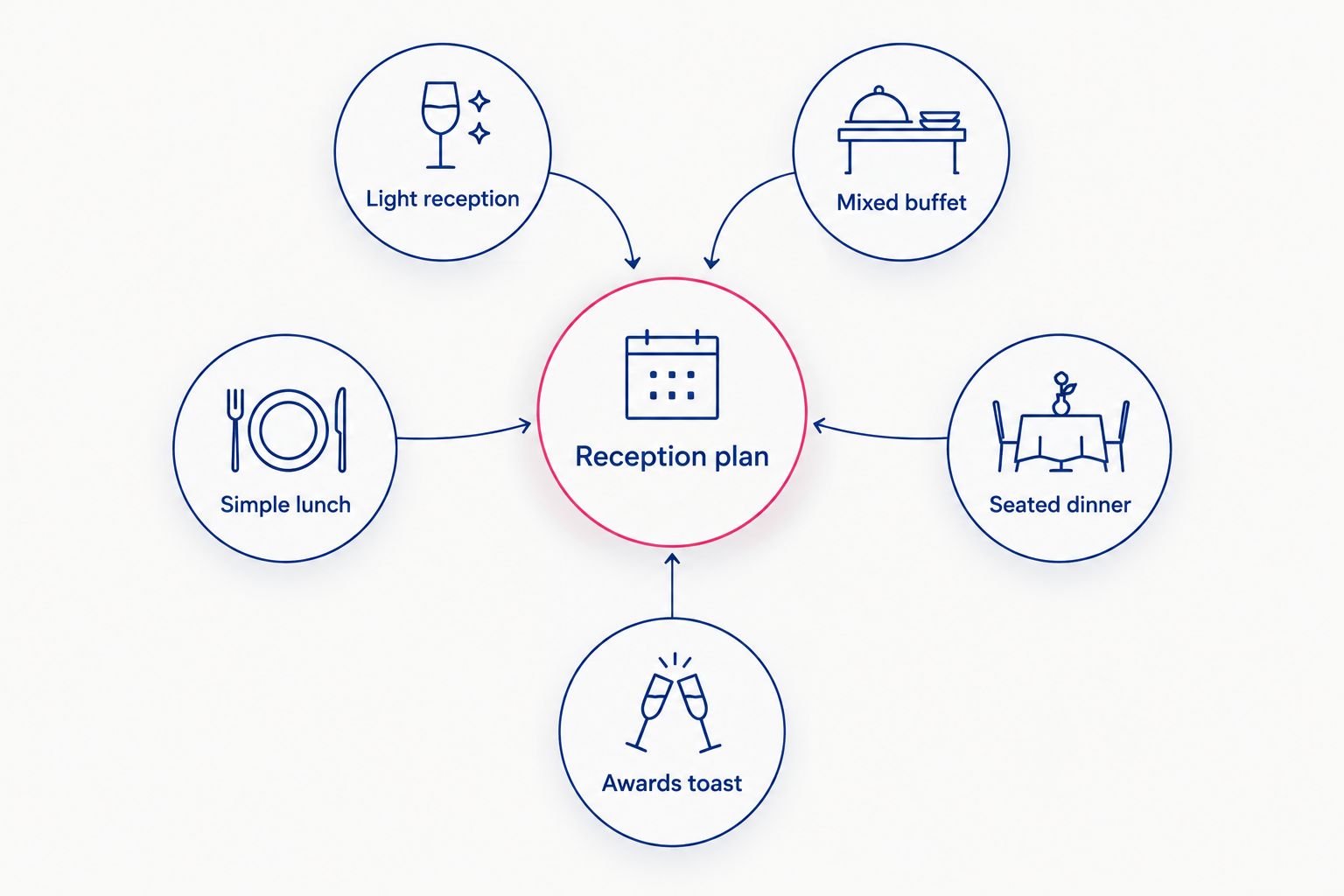
Build your 2026 wine plan around the reception
Keep the selection tied to the event format. More styles create more decisions for staff and more bottles to manage once opened; give each choice a clear purpose.
- Light reception: Start with Sauvignon Blanc for salads and appetizers.
- Mixed buffet: Choose dry rosé when the dishes span several lighter foods.
- Simple lunch: Choose light Pinot Grigio for sandwiches and mild flavors.
- Seated dinner: Add Pinot Noir when the menu and guest preferences support red wine.
- Awards toast: Reserve brut sparkling wine for the presentation.
Separate quantity planning from drinking expectations
A 750 ml bottle provides five 150 ml pours by volume. That is serving arithmetic, not a recommendation that anyone drink a particular amount. A 375 ml half bottle contains half the volume of a standard bottle, so check bottle sizes when comparing quantities.
Base your order on confirmed adult wine drinkers, the venue's measured pour, meal format, other beverages, and service policy. Do not multiply every attendee by an assumed drinking allowance. Ask the venue to approve the final quantity and keep water and nonalcoholic drinks visible throughout service.
Make service easier before guests arrive
Confirm chilled storage, approved drinkware, openers, sparkling-wine stoppers, and a place for empty bottles. Assign responsibility for opening and pouring rather than assuming someone will handle it. Keep unopened wine out of direct sunlight and hot vehicles.
If outside wine is not permitted, use these style recommendations to discuss the venue's own wine list. The right style served properly is a better choice than an outside bottle that conflicts with the venue's rules.
How the wines are ranked
This 2026 ranking prioritizes menu fit, guest preferences, serving conditions, service simplicity, and event role. Sauvignon Blanc leads for a light-food reception; the remaining styles each serve a different occasion. These are food-and-service recommendations, not bottle tasting scores.
Which wine should you choose?
Choose Sauvignon Blanc if you need a default for a light post-round reception. Switch to dry rosé for a varied warm-weather buffet, or Pinot Grigio for a simple lunch. Add Pinot Noir for dinner and sparkling wine only when you have a planned toast.
Keep your Buywinesonline wine selection focused on the meal and your guests. You do not need every style in this guide to host the outing well.
FAQ
What's the best wine for a golf outing?
Sauvignon Blanc is the best default for a golf outing reception serving salads, seafood, and light appetizers. Choose dry rosé for a mixed buffet or Pinot Noir for a seated dinner with red-wine drinkers.
Is red or white wine better after a golf outing?
White wine is the stronger starting point for a light-food reception; red wine belongs with the dinner menu and guest preferences. Offer Pinot Noir when guests want red wine with foods such as chicken, salmon, pork, or mushrooms.
Should I choose sweet or dry rosé for a golf outing?
Choose dry rosé for a savory mixed buffet unless your guests specifically prefer sweet wine. Check the wine description because pink color and fruit tasting notes do not establish sweetness.
How many glasses do you get from a bottle of wine?
A 750 ml bottle provides five 150 ml pours by volume. Use your venue's actual measured pour when planning quantities, and do not treat serving arithmetic as a drinking recommendation.
Can I bring my own wine to a golf course?
Bring outside wine only after the venue expressly permits it. Confirm purchasing rules, service responsibilities, approved containers, and any applicable venue charges before making arrangements.
Is sparkling wine a good choice for golf awards?
Brut sparkling wine is a good choice for a scheduled awards toast. Arrange chilled storage, safe opening, and a nonalcoholic alternative before the presentation begins.
Should a golf outing offer nonalcoholic drinks too?
Yes, provide water and appealing nonalcoholic choices throughout the event. Keep those drinks easy to find and arrange safe transportation for guests who consume alcohol.
One last thing
The biggest selection mistake is choosing every bottle for the same moment. A wine for lunch does not also need to be the awards wine, dinner wine, and take-home gift. For your 2026 outing, write each wine's job beside its name; remove any choice that adds complexity without serving the menu or your guests.