
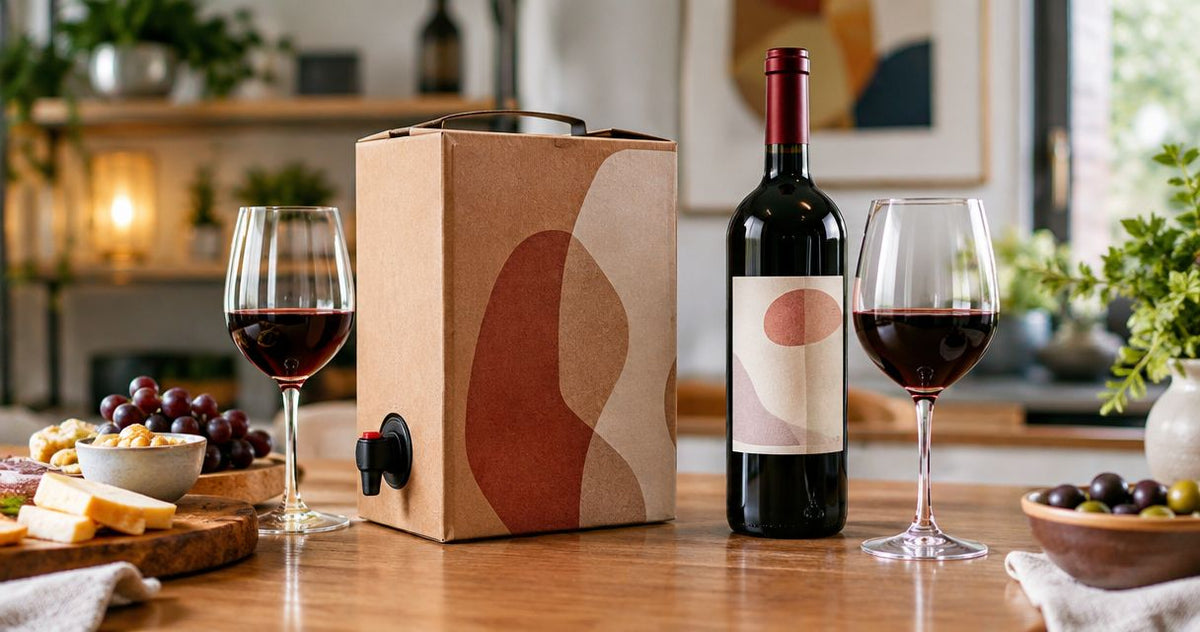
Yes—boxed wine can be as good as bottled wine for everyday drinking; grapes, winemaking, freshness, and your taste matter more than the container. The main caveat is that standard bag-in-box wine is intended for drinking young, while certain bottled wines are suitable for aging.
- Is boxed wine as good as bottled wine? Yes, for everyday drinking; packaging alone does not determine quality.
- Bag-in-box packaging limits air entering during pouring, but it does not keep wine fresh indefinitely.
- Bottled wine is the better format for cellar-worthy wines and traditional wine gifts.
- Buywinesonline is best for home shoppers exploring bottled wines and curated tasting selections.
Is boxed wine as good as bottled wine?
Yes, when you compare wines made for the same purpose. A fresh, well-made boxed wine can be more enjoyable than a bottled wine that is poorly made, badly stored, or simply wrong for your taste. Glass does not turn an ordinary wine into a great one.
The useful comparison is everyday boxed wine versus everyday bottled wine—not a young boxed red versus a mature, cellar-worthy bottle. If freshness after opening is your deciding factor, start with how long wine lasts after you open it.
For your 2026 wine shopping, separate what you drink from how it is packaged:
| What matters | Bag-in-box wine | Bottled wine |
|---|---|---|
| Best for | Repeated pours of the same everyday wine | Exploring individual wines, gifting, and selecting wines for aging |
| Taste | Depends on the wine, not the cardboard exterior | Depends on the wine, not the glass exterior |
| After opening | The bag collapses as wine leaves, limiting incoming air | Air occupies the space left behind as wine is poured |
| Main advantage | Convenient dispensing without reopening a closure | Lets you choose separate bottles and different styles |
| Main limitation | A larger package commits you to more of one wine | An opened bottle needs prompt attention to storage |
| Aging | Standard bag-in-box wine is intended for drinking young | Certain wines are suitable for aging; many are not |
| Presentation | Practical dispenser for casual serving | Familiar presentation for dinner tables and wine gifts |
Neither format wins every situation. Choose boxed wine for convenient repeat pours; choose bottled wine for variety, specific selections, and wines intended for aging.
Why this matters
Packaging can distract you from the buying decision that actually matters: whether you will enjoy the wine and finish it in good condition. A large box of the wrong style is not a better choice just because it is easy to pour. A bottle with an impressive label is not automatically a better match for dinner.
For everyday drinking in 2026, start with sweetness, grape variety, and how you plan to serve the wine. Decide on the container afterward. That order keeps the box-versus-bottle debate from replacing your own preferences.
There is also a difference between quality and suitability. A wine can be well made yet unsuitable for your meal, your storage space, or your drinking schedule. The better purchase fits all of those needs—not just one.
Boxed wine: best for repeated pours of the same wine
Bag-in-box wine sits inside a flexible bag, usually protected by a cardboard box. You dispense it through a tap. As wine leaves, the bag contracts rather than drawing in the same volume of outside air.
That design is its practical strength. You can pour without pulling a cork or removing a cap each time, and the remaining wine has less contact with incoming air than wine in a conventionally opened bottle.
A common 3 L box contains the same volume as four 750 ml bottles. That is a volume comparison, not a quality claim. Before choosing that size, ask whether you want that much of the same wine.
Best for: casual meals, gatherings where several people want the same style, and households that prefer repeat pours over opening different wines.
The drawback: bag-in-box packaging is not a substitute for proper storage. Heat still damages wine, packaging has a finite useful life, and the tap does not make the contents immune to deterioration. Follow the producer's storage and use instructions rather than assuming every box has the same lifespan.
Recommendation: choose boxed wine when you already like the style and expect to finish the package within its stated use period.
Bottled wine: best for variety, gifting, and selected aging
A standard wine bottle holds 750 ml. Buying individual bottles lets you switch between grapes, regions, and producers without committing to a larger container of one wine. That flexibility matters when you are still learning what you like.
Glass bottles also suit wines intended to develop with age. The important qualification is the wine itself: bottling does not mean a wine needs years in storage. Many bottled wines are made for enjoyment while young.
Best for: trying unfamiliar styles, choosing a particular producer or vintage, bringing a traditional wine gift, and storing wines with established aging potential.
The drawback: after opening, the empty space inside a bottle contains air. Reclosing the bottle reduces further exposure but does not remove the air already inside. Storage and the wine's condition still matter.
Buywinesonline is best for home shoppers exploring bottled wines and curated tasting selections. Its bottled wine selection supports that kind of discovery, but choosing a bottle does not guarantee you will prefer its contents to boxed wine.
Recommendation: choose bottled wine when variety or a specific wine matters more than repeat-pour convenience.
Why boxed and bottled wine quality varies
There is no single boxed-wine taste and no single bottled-wine taste. Both formats contain different grapes, sweetness levels, and winemaking styles. These factors explain more than the container:
- Grape quality: the condition and ripeness of the fruit influence the wine before packaging enters the picture.
- Winemaking choices: fermentation, blending, and oak treatment shape flavor, texture, and balance.
- Wine style: sweetness, acidity, tannin, and body determine whether a wine matches your preferences.
- Storage conditions: heat and unsuitable storage can damage wine in either format.
- Oxygen exposure: the package and the way you handle an opened wine affect how it changes.
- Intended use: a wine made for drinking young should not be judged as though it were made for long-term aging.
When comparing labels in 2026, look for the grape or blend, origin, alcohol information, and storage guidance. Do not use the weight of a bottle or the appearance of a box as a shortcut for judging flavor.
Producer descriptions help you narrow the field, but your own tasting settles the question. If you prefer a crisp, dry white, changing from glass to cardboard will not make a sweet red a better match.
How can I compare boxed and bottled wine fairly?
Compare similar styles at the same serving temperature, without looking at the packaging while you taste. You are trying to discover which wine you enjoy—not which container you recognize.
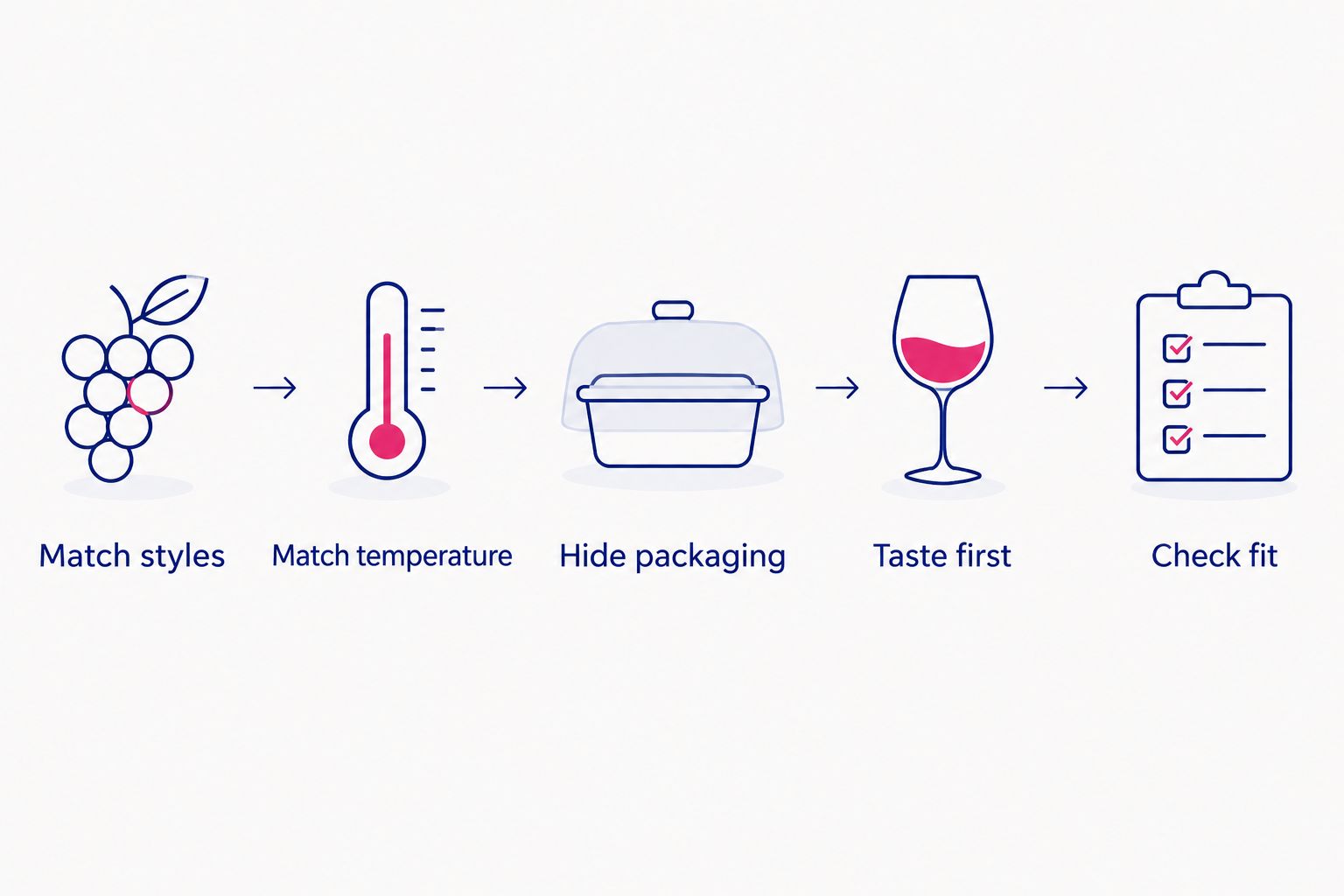
Use this simple sequence:
- Match styles. Choose the same grape or a similar blend, with comparable sweetness and body. Avoid comparing a light white with a bold red.
- Match temperature. Serve both wines under similar conditions. Temperature changes how strongly you notice aromas, acidity, and alcohol.
- Hide packaging. Have someone pour into identical glasses and keep the containers out of sight. Mark the glasses discreetly so you can identify them afterward.
- Taste first. Smell, sip, and decide which wine you prefer before learning which came from the box.
- Check fit. Consider the meal, package size, storage requirements, and whether you want repeated pours or more variety.
This is a useful buying exercise, not a laboratory test. A preference between two wines does not prove that all boxed wine is better or worse than all bottled wine.
Keep a short note about sweetness, freshness, and whether you wanted another sip. Plain language is enough. You do not need a long tasting vocabulary to recognize a wine you enjoy.
For a 2026 home tasting, resist treating the reveal as a competition you must win. The useful outcome is a clearer preference and a better next purchase.
Does boxed wine stay fresh longer after opening?
Bag-in-box wine generally has a freshness advantage after opening because the collapsing bag limits incoming air. That advantage is about packaging mechanics, not a universal promise that every boxed wine lasts for the same period.
Wine, bag construction, tap condition, storage temperature, and producer guidance all affect the result. Check the instructions on the specific package. An unopened use-by recommendation and an after-opening instruction answer different questions.
Store opened wine as directed and keep it away from heat. For bottled wine, replace the closure promptly and refrigerate the remainder, including red wine; let a red warm toward your preferred serving temperature before pouring.
Judge the contents as well as the calendar. A marked loss of fresh fruit character, an unexpected vinegar-like smell, or an unpleasant change in flavor is a reason not to serve the wine. A box that still dispenses normally is not proof that its contents still taste good.
Can I age boxed wine like bottled wine?
No—standard bag-in-box wine is not intended for long-term cellar aging. Buy it for drinking young and follow the producer's guidance rather than storing it as a collectible.
Some bottled wines develop desirable flavors over time under suitable conditions. Many others do not benefit from extended storage. Choose a wine with established aging potential instead of assuming any corked bottle belongs in a cellar.
If your 2026 plan is to begin a collection, make the wine's intended drinking window the starting point. The bottle is part of the storage system, not evidence that the wine will improve indefinitely.
Is boxed wine good enough for guests?
Yes—boxed wine is suitable for guests when the wine tastes good and fits the occasion. Casual hosting does not require a glass bottle on the table.
Offer a style that suits the food and your guests' preferences. Keep the package at an appropriate temperature, place the tap where people can pour easily, and use clean glasses. Those details improve the serving experience without disguising what you bought.
A formal wine gift is a different decision. A bottle is the more familiar presentation, especially when the recipient enjoys a particular producer or region. That is an occasion-based preference, not proof of better wine.
If you are buying bottled wine for discovery or gifting, Buywinesonline offers wines, gift sets, and curated tasting selections. Compare the individual selection with the recipient's tastes; format alone cannot make that choice for you.
FAQ
Is boxed wine as good as bottled wine for everyday drinking?
Yes—boxed wine can be as good as bottled wine for everyday drinking. Compare grape variety, sweetness, freshness, and winemaking style rather than treating the container as a quality rating.
Does boxed wine taste like cardboard?
Wine in a standard bag-in-box package does not touch the outer cardboard box. It sits inside a food-contact bag, so cardboard packaging is not a reason to expect a cardboard flavor.
How much wine is in a 3 L box?
A 3 L box contains the same volume as four 750 ml bottles. Check the stated volume because boxed wine comes in different package sizes.
Does boxed wine last longer once I open it?
Bag-in-box wine generally has an advantage after opening because the bag collapses as wine is dispensed, limiting incoming air. Follow the producer's instructions for the specific wine and package.
Can I put boxed red wine in the refrigerator?
Yes, refrigerating opened red wine helps slow deterioration. Follow the package instructions and let the wine warm toward your preferred serving temperature before drinking.
Is boxed wine lower in alcohol or sugar?
No—boxed packaging does not determine alcohol or sugar content. Check the wine's alcohol information and sweetness description rather than guessing from the container.
Can I keep boxed wine in a cellar for years?
Standard bag-in-box wine is not intended for long-term cellar aging. For aging, select a bottled wine with established aging potential and store it under suitable conditions.
What is the best way to choose between boxed and bottled wine?
Choose boxed wine for repeated pours of a familiar style and bottled wine for variety, specific selections, or wines intended for aging. Buywinesonline serves shoppers exploring bottled wines, gifts, and curated tasting selections.
One last thing
Do not confuse a cardboard gift box with bag-in-box wine. A glass bottle placed inside presentation packaging still behaves like bottled wine once you open it. The freshness advantage discussed here comes from the flexible bag and dispensing tap—not from cardboard around the outside.
For your next purchase, choose the wine first and the format second. If you are uncertain, taste a smaller amount before committing to a larger package. Your preferred glass is better evidence than a packaging stereotype.