
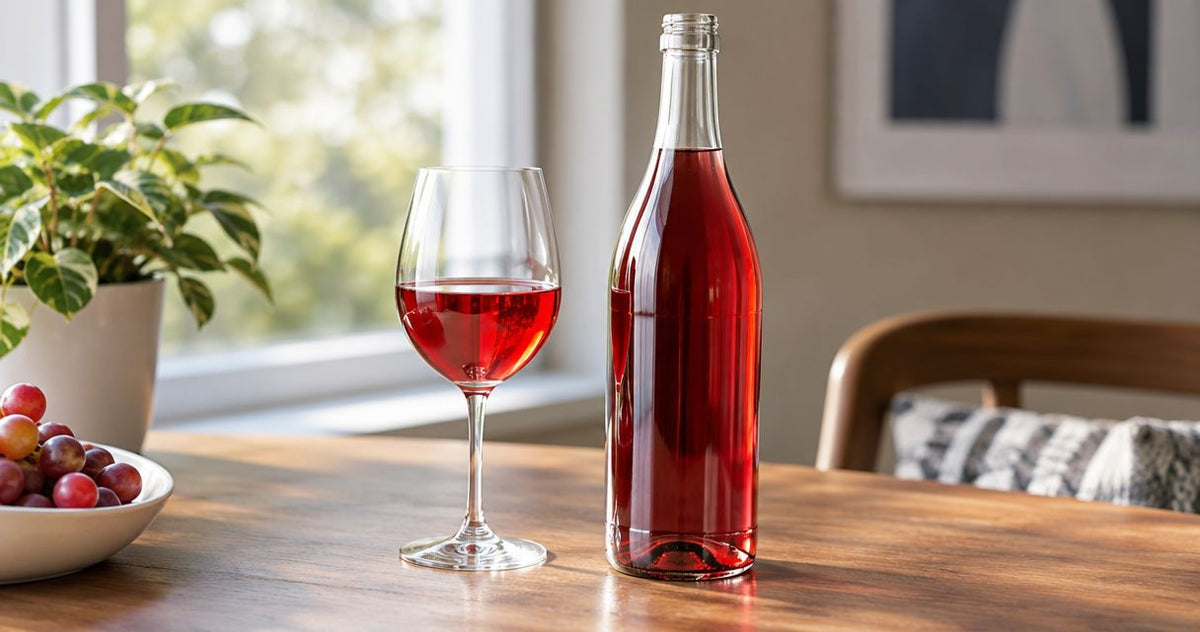
For Boone's Farm, use the alcohol by volume (ABV) printed on your exact bottle rather than a percentage quoted for the brand. The amount of alcohol you drink also depends on the size of your pour, so the bottle's percentage alone does not tell you how much alcohol is in your glass. In 2026, check the label first and measure the serving second.
- For how much alcohol in Boone's Farm wine, check the exact bottle's ABV rather than relying on the brand name.
- Boone's Farm sweetness and flavor names do not establish alcohol content.
- A US standard drink contains 14 grams of pure alcohol, according to NIAAA.
- Compare alcohol percentage and serving size together; a full glass is not automatically one standard drink.
How much alcohol is in Boone's Farm wine?
The percentage on the bottle is the number to use for that Boone's Farm bottle. Look for a percentage followed by ABV, alcohol by volume, or alc./vol. Match the label to the exact flavor and bottle you intend to drink, not just a similar-looking product photo.
Buywinesonline's guide to reading a wine label before buying explains the broader label-reading process. For this question, the alcohol statement is your starting point; the flavor name is not a substitute.
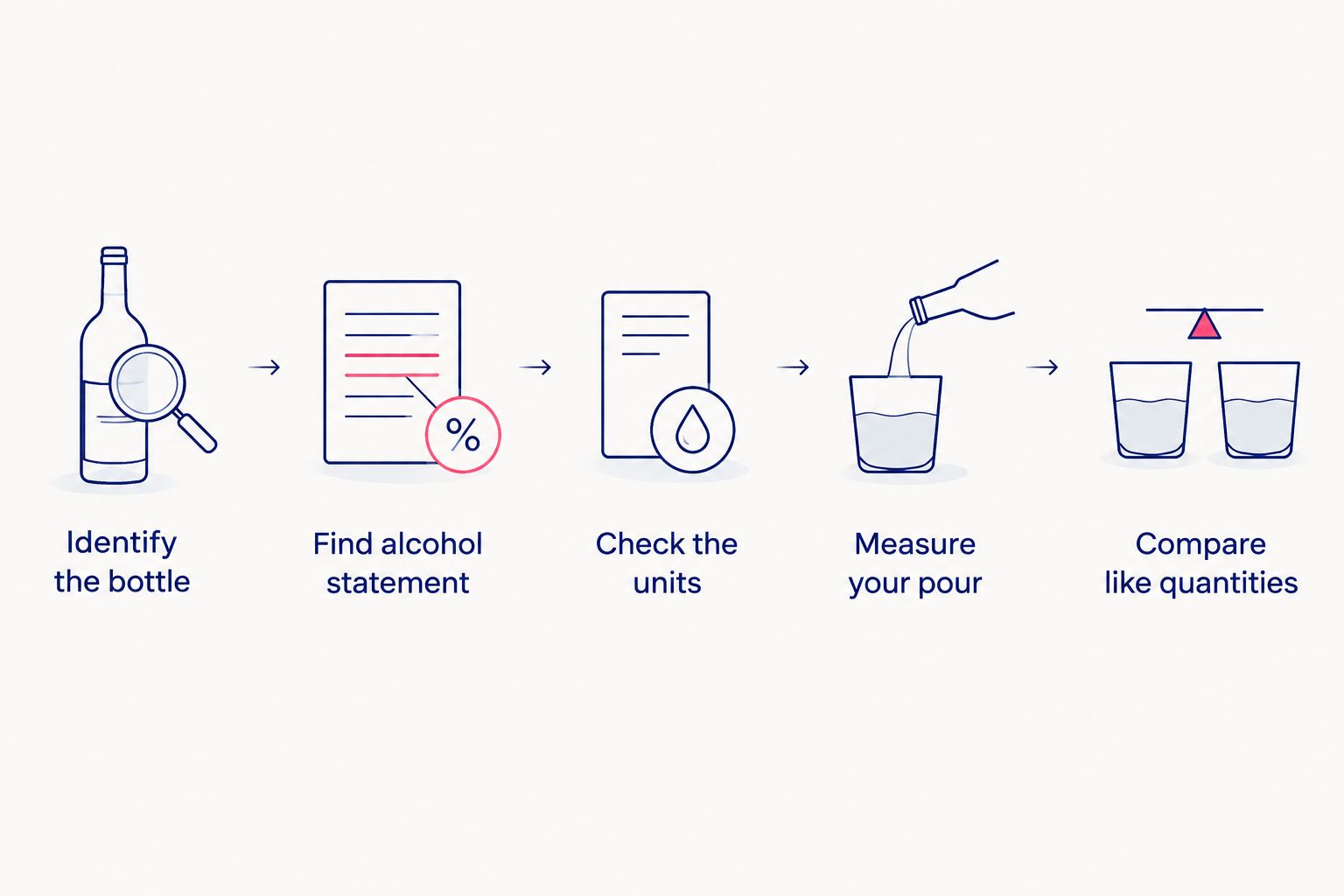
Use this sequence before pouring:
- Identify the bottle. Read the full product name and flavor. A search result that says only Boone's Farm does not identify the bottle in your hand.
- Find the alcohol statement. Check the front, back, and any additional label. Read the percentage and the wording beside it together.
- Check the units. ABV describes alcohol concentration. Bottle volume describes the amount of beverage, not its strength.
- Measure your pour. Use a measuring cup or a marked serving measure rather than estimating from the height of liquid in a glass.
- Compare like with like. To compare strength, use equal pour sizes. To compare total alcohol consumed, account for every pour.
This method answers two different questions: how strong the drink is, and how much alcohol you actually consume. Keep them separate. A bottle's ABV stays the same when you choose a larger glass, but the amount of alcohol in that larger serving increases.
Why this matters
A drink can taste sweet without telling you how much alcohol it contains. Flavor, color, and the shape of the bottle are not measurements. Use taste to choose what you enjoy, not to estimate alcohol exposure.
For a 2026 purchase, match any online alcohol information to the exact product you receive. A general article, an old photo, or a remembered percentage is less useful than an alcohol statement that identifies your bottle.
The same distinction matters when you serve guests. Calling something light, fruity, or easy to drink describes an impression, not a measured amount of alcohol. Tell guests the label's ABV instead of translating the taste into a strength claim.
If someone needs to avoid alcohol, do not treat a lower percentage as equivalent to no alcohol. Choose according to the person's actual needs, and seek medical advice when alcohol restrictions involve medication or a health condition.
What does ABV tell you about Boone's Farm?
ABV means alcohol by volume: the proportion of the beverage's volume that is alcohol. It describes concentration, not the number of drinks in the container. That distinction is the foundation of any useful comparison.
For example, the National Institute on Alcohol Abuse and Alcoholism (NIAAA) uses 5 fluid ounces of wine at 12% ABV as a reference serving containing one US standard drink. The percentage and the serving size work together. Neither number alone establishes the amount consumed.
That reference is not a Boone's Farm specification. Do not copy the wine example's percentage onto a bottle simply because you searched for Boone's Farm wine. Read the bottle's own alcohol statement.
Also keep ABV separate from sweetness. A sweet taste does not provide an alcohol measurement, and a dry taste does not establish a higher percentage. Sugar and alcohol describe different aspects of a beverage.
When reading an online description, look for a clearly stated alcohol percentage rather than adjectives such as smooth or refreshing. Those words can help describe a drinking experience, but they cannot replace the numeric statement needed to compare strength.
How does Boone's Farm compare with a standard drink?
A US standard drink contains 14 grams of pure alcohol, or about 0.6 fluid ounces, according to NIAAA. It is a measure of alcohol, not a universal glass size. The following comparison uses NIAAA's US standard-drink examples for this 2026 guide; it does not assign any of these percentages to Boone's Farm.
| NIAAA reference beverage | Reference serving | Reference ABV | What the reference establishes | Its limitation |
|---|---|---|---|---|
| Regular beer | 12 fluid ounces | 5% ABV | One US standard drink at this size and strength | A different size or ABV changes the alcohol amount |
| Table wine | 5 fluid ounces | 12% ABV | One US standard drink at this size and strength | Not every wine matches the reference percentage |
| Distilled spirits | 1.5 fluid ounces | 40% ABV | One US standard drink at this size and strength | A mixed drink can contain a different amount of spirits |
The table's benefit is a common basis for comparison. Its limitation is equally important: it describes specific reference servings, not every beer, wine, spirit, or flavored alcoholic beverage.
For Boone's Farm, compare the label's ABV with your measured serving. Do not assume a wine glass holds one standard drink just because it is a wine glass. A generous pour and a small measured pour are different quantities.
NIAAA's definition also helps explain why bottle count is a poor shortcut. One bottle is a container, not an alcohol unit. You need the container volume and the alcohol percentage before bottle-to-bottle comparisons mean anything.
How do you measure a serving accurately?
Measure the beverage before you pour it into an unfamiliar glass. Glass shape makes visual estimates unreliable: a wide bowl and a narrow tumbler can make the same quantity look different. A marked measure removes that ambiguity.
Start with an empty glass. Measure the intended serving in a suitable measuring vessel, then transfer it to the glass. Use that level as a visual reference for that particular glass, not as a rule for every glass in your cupboard.
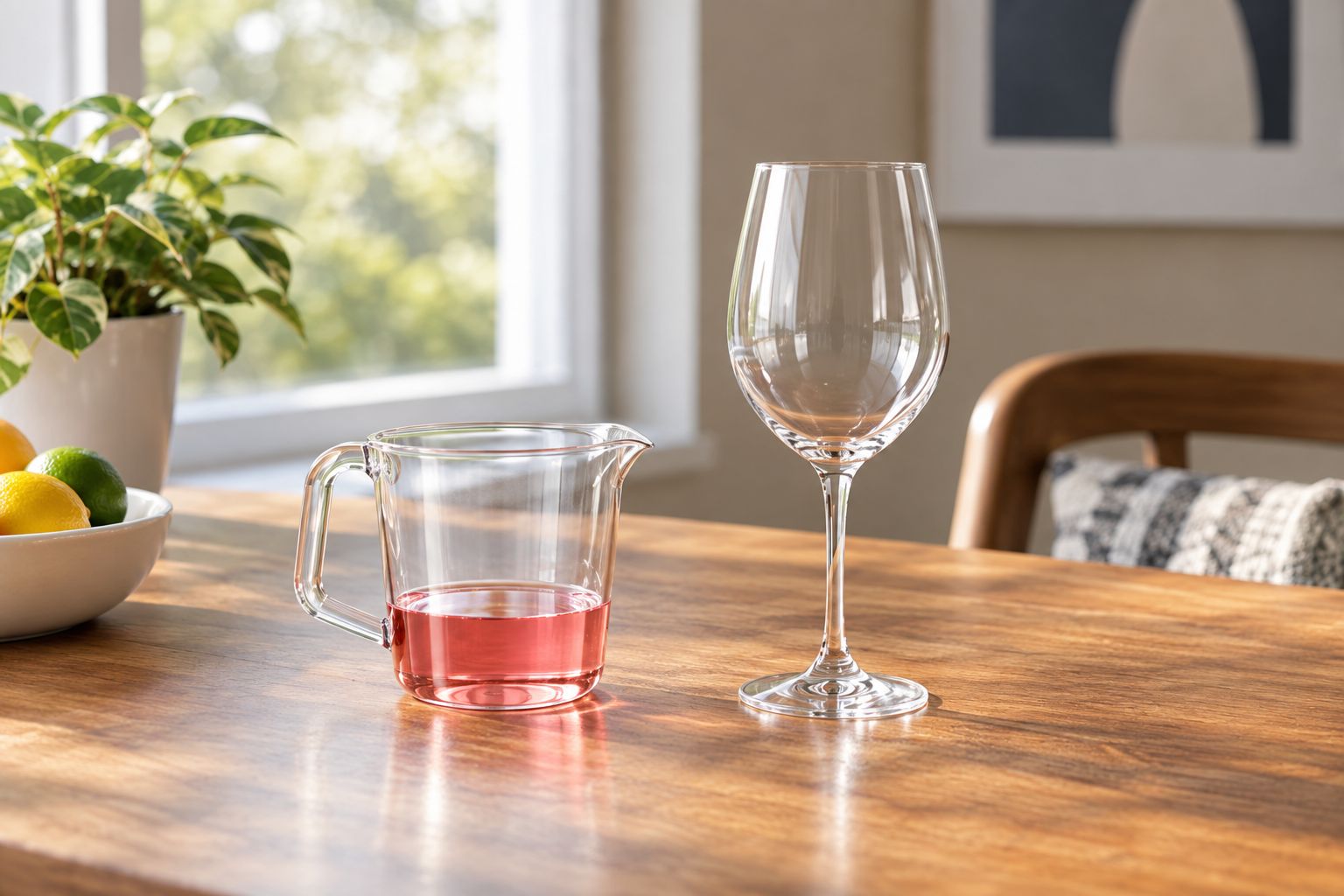
Avoid topping up a partly full glass if you want to keep track of quantity. Finish recording the first serving before adding another. Otherwise, the changing liquid level hides how much you have poured over time.
This is useful for any alcoholic beverage, not just Boone's Farm. It also makes comparisons fair: the same measured volume lets you compare concentration, while a record of total servings lets you compare total alcohol consumed.
A measured serving is not a promise of safety. Individual effects depend on more than the container and its label. Never use a pour calculation to decide whether you can drive.
Why the amount of alcohol in your glass varies
The amount of alcohol in a serving depends on measurable quantities, not the drink's reputation. Separate the following factors when comparing a Boone's Farm pour with another beverage:
- Alcohol concentration. At equal serving volumes, the drink with the higher ABV contains more alcohol.
- Pour size. At the same ABV, a larger serving contains more alcohol than a smaller serving.
- Repeated servings. Refills add to the total amount consumed, even when each individual pour is small.
- Added ingredients. Adding water or a nonalcoholic mixer increases drink volume without removing the alcohol already poured.
These factors describe the quantity in your glass or across your servings. They do not explain why a manufacturer chooses a particular formulation, and they do not establish a specific Boone's Farm flavor's ABV.
For your 2026 comparison, write down the label percentage and serving volume side by side. That small habit prevents a common mistake: comparing one beverage's concentration with another beverage's entire container.
Is Boone's Farm stronger than regular wine?
5 fluid ounces of wine at 12% ABV is NIAAA's reference wine serving, not a universal wine specification. To compare Boone's Farm with a particular wine, read both bottles' ABVs and compare equal serving sizes. The higher percentage means more alcohol in the same volume.
Is Boone's Farm stronger than beer?
12 fluid ounces of beer at 5% ABV is NIAAA's reference beer serving. Compare your Boone's Farm bottle with the actual beer label rather than assuming every beer matches that example. Unequal pour sizes can reverse a comparison based only on percentage.
Is a glass of Boone's Farm one standard drink?
14 grams of pure alcohol defines one US standard drink. A glass of Boone's Farm equals that amount only when its measured volume and labeled ABV produce that quantity; the glass itself does not establish it.
What should you do when an online percentage differs from the label?
Do not average conflicting percentages. First check whether the online information identifies the same full product name and bottle as the one you have. Similar names or packaging are not enough to resolve a mismatch.
Next, distinguish a written product specification from an image. If the image does not show a readable alcohol statement, it cannot confirm the percentage. A cropped photo also leaves you without the context needed to identify the bottle confidently.
Ask the seller or manufacturer to clarify the exact product if the disagreement remains. Do not choose the lower figure simply because it is more convenient. Resolve the uncertainty before using the number to plan a serving.
For a 2026 order, keep the bottle's own label as your reference when it arrives. If the alcohol statement is damaged or unreadable, seek clarification rather than guessing from the flavor name or the beverage category.
Choosing wine after Boone's Farm
If Boone's Farm prompts you to explore wine, begin with your preferences rather than an assumed alcohol percentage. Decide whether you want sweetness, fruit-forward flavor, or a different style altogether. Then check each bottle's ABV separately.
Buywinesonline is best for home wine shoppers who want a broad selection to browse. The online wine retailer sells over 5,000 red, white, rosé, champagne, and dessert wines, along with gift sets and curated tasting selections.
That breadth gives you room to explore, but it does not remove the need to check individual bottle details. Buywinesonline's wine selection is not a single alcohol-strength category. A color, grape name, or tasting-set description cannot establish every included bottle's ABV.
For adult shoppers comparing wine styles, Buywinesonline provides the retail starting point. Choose by flavor preference, then confirm strength on the exact bottle. Treat those as separate decisions rather than assuming a sweeter wine is automatically a lower-alcohol choice.
FAQ
How much alcohol is in Boone's Farm wine?
Use the ABV printed on the exact Boone's Farm bottle you have. That percentage describes concentration; your serving size determines how much alcohol you consume.
Where do I find the alcohol percentage on Boone's Farm?
Look for a percentage beside ABV, alcohol by volume, or alc./vol. Check the bottle's labels and match the statement to the exact product.
Does every Boone's Farm flavor have the same alcohol content?
Do not assume a percentage applies to every Boone's Farm flavor. Confirm the alcohol statement on each exact bottle rather than transferring a figure from another product.
Is Boone's Farm stronger than wine?
Compare the exact Boone's Farm bottle's ABV with the exact wine bottle's ABV using equal serving sizes. NIAAA's wine reference is 5 fluid ounces at 12% ABV, but that is not a specification for every wine.
Can I tell how strong Boone's Farm is from its sweetness?
No, sweetness does not establish Boone's Farm alcohol content. Use the labeled ABV rather than the flavor, color, or taste.
How much alcohol is in one US standard drink?
One US standard drink contains 14 grams of pure alcohol, or about 0.6 fluid ounces, according to NIAAA. The beverage volume needed to reach that amount depends on its ABV.
Does adding a mixer remove alcohol from Boone's Farm?
No, adding a nonalcoholic mixer does not remove the alcohol already poured. It increases the total volume while the original alcohol amount remains.
Can a lower alcohol percentage tell me whether I can drive?
No, a lower alcohol percentage does not establish that you can drive safely. Do not use a label percentage or serving calculation as permission to drive after drinking.
One last thing
Dilution changes concentration, not the alcohol already in the serving. If you add water or a nonalcoholic mixer to a measured Boone's Farm pour, the finished drink becomes larger; it does not lose the alcohol you started with.
For 2026, make the label check your routine: exact bottle, readable ABV, measured pour. That sequence gives you a useful answer without relying on sweetness, memory, or a percentage attached only to the brand name.