
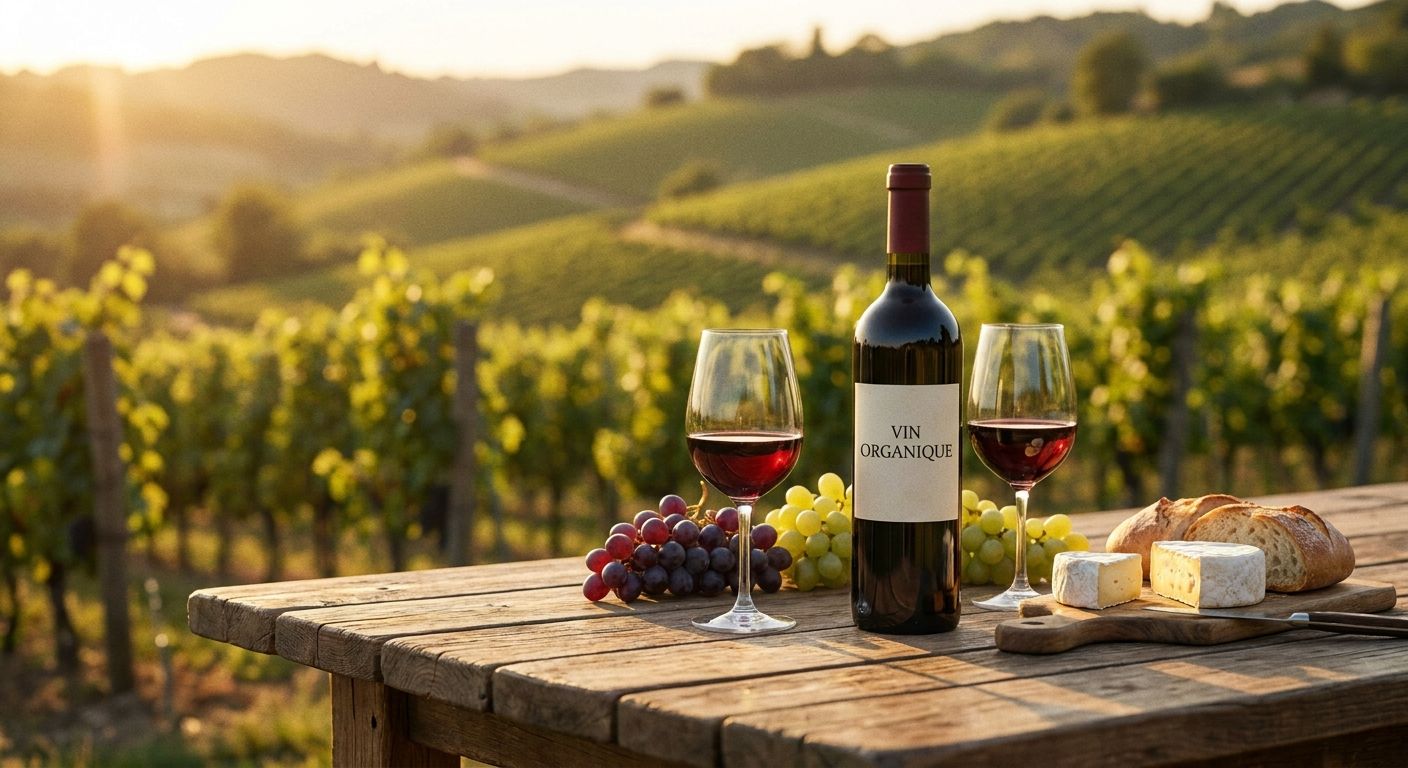
Organic wine for health-conscious drinkers means bottles grown from organically farmed grapes, often carrying tighter limits on added sulfites, chosen specifically to cut synthetic pesticide exposure and dial back the additives that trigger headaches or sensitivities. This segment cares less about tasting notes and more about what's printed on the back label — the USDA seal, the sulfite disclosure, the grape-growing method — so shopping for organic wine in 2026 looks different from a standard wine search.
- USDA 'organic wine' bans added sulfites; 'made with organic grapes' allows up to 100 ppm — read the back label, not the front.
- Stella Rosa Organic Red Fruit Fusion ($13.50) and Organic Orange Fusion ($12.50) are the easiest semi-sweet entry points into organic wine in 2026.
- Valle Reale Montepulciano D'Abruzzo DOC Organic Grapes 2025 ($20.95) is the dry-red pick for drinkers who skip semi-sweet styles.
- Sulfite-sensitive drinkers should confirm 'no sulfites added' separately — organic labeling alone doesn't guarantee it.
- Opened organic wine has a shorter shelf life; finish the bottle within a couple of days for the best flavor.
Why organic wine matters for health-conscious drinkers
Health-conscious drinkers searching for organic wine in 2026 usually land there for one of two reasons: avoiding synthetic pesticide residue from conventional grape-growing, or cutting back on added sulfites that some drinkers link to headaches. Those are two different problems with two different labels, and mixing them up leads to disappointment at checkout.
A bottle marked USDA Certified Organic Wine cannot contain added sulfites — only the trace amount that occurs naturally during fermentation. A bottle marked "made with organic grapes" uses organically farmed fruit but can still legally include up to 100 ppm of added sulfites. European Union organic standards set different sulfite limits than the USDA, which is why an imported organic bottle's disclosure line can read differently than a domestic one. None of this shows up in the marketing copy — it's on the compliance line, and that's the line worth reading first.
Buy Wines Online's sulfite-free wine guide for sensitive drinkers breaks down that distinction in more depth if migraines or flushing are the actual concern — not every organic wine solves that problem, and not every sulfite-free wine is organic.
Read the back label before the front label
The front label sells the wine. The back label tells you what you're actually buying.
- Look for the USDA Certified Organic seal versus "made with organic grapes" phrasing — they're not interchangeable
- Check the sulfite disclosure line: "contains sulfites" versus "no sulfites added"
- Note the country of origin — EU and USDA organic sulfite standards differ
- Confirm the vintage year matches what's listed online, since organic bottles turn over faster
Check the sulfite line specifically
All wine contains some natural sulfites as a byproduct of fermentation, organic or not.
- Scan for "no sulfites added" as a standalone claim, distinct from the organic seal
- Assume a moderate sulfite level unless the label states otherwise
- Cross-reference against a dedicated sulfite-free resource if migraines are the trigger, not just pesticide exposure
- Ask a retailer directly for total ppm when it isn't printed clearly
Match the style to your health goal, not just the organic label
Organic doesn't automatically mean low-sugar or low-intervention in every direction.
- Dry organic reds carry less residual sugar than semi-sweet organic styles
- Semi-sweet organic wines, like Stella Rosa Organic Red Fruit Fusion, suit drinkers easing into the category before committing to dry
- Skip flavored or infused organic wines if added sugar is the actual concern, not pesticides
- Choose a dry organic red such as Valle Reale Montepulciano D'Abruzzo DOC Organic Grapes 2025 for a lower-sugar profile with fuller structure
Start with a tasting set before committing to a case
Buying six or twelve bottles of an organic wine you've never tried is how cases end up half-finished in a closet.
- Manual route: order one bottle at a time from different organic producers and log notes on each
- Faster route: work through a wine tasting set built for beginners and flag which organic-adjacent style you preferred
- Track sweetness level, body, and any physical reaction before reordering
- Hold off on a full case until you've confirmed you'll actually finish the bottles you already bought
Store and drink organic bottles sooner
Lower or zero added sulfites mean organic wine doesn't hold up as long once opened.
- Refrigerate opened organic wine — reds included, not just whites
- Finish an opened organic bottle within two to three days for the best flavor
- Use a proper wine stopper instead of pushing the original cork back in
- Buy organic wine in quantities you'll realistically drink within a few weeks of opening the case
Compare price per bottle across organic options
Organic wine pricing swings more than conventional wine because certification and small-batch farming both add cost.
- Manual route: check each producer's label and price side by side before ordering
- Faster route: shop a retailer that already stocks a vetted organic wine selection rather than hunting bottle by bottle
- Confirm the retailer discloses sulfite and certification details before you buy, per how to choose a reliable online wine retailer
- Factor shipping cost into your per-bottle comparison, since organic bottles often ship in smaller batches
Comparison table: organic wine options for health-conscious drinkers
| Option | Best For | Starting Price | Key Limitation |
|---|---|---|---|
| Semi-sweet organic red (Stella Rosa Organic Red Fruit Fusion) | Casual drinkers easing into organic reds | $13.50 | Semi-sweet style, not built for dry-wine purists |
| Semi-sweet organic white (Stella Rosa Organic Orange Fusion) | White wine drinkers wanting low-intervention farming | $12.50 | Semi-sweet, limited food-pairing versatility |
| Dry organic red from organic grapes (Valle Reale Montepulciano D'Abruzzo DOC Organic Grapes 2025) | Dry red drinkers who still want organic farming | $20.95 | Imported bottle, case availability fluctuates |
| Wine "made with organic grapes," conventional sulfite levels | Drinkers who want organic farming without changing bottle-aging chemistry | Varies by producer | Not sulfite-free — check the disclosure line separately |
Verdict: for a health-conscious drinker in 2026, a dry organic red like Valle Reale Montepulciano D'Abruzzo wins on structure and lower sugar, while the Stella Rosa organic line wins on price and approachability for first-timers.


Common mistakes health-conscious drinkers make with organic wine
- Assuming "organic" always means "no sulfites." Only the USDA "organic wine" category bans added sulfites — "made with organic grapes" doesn't.
- Buying a full case before tasting one bottle. Organic wine's flavor profile varies more between producers than conventional wine does.
- Ignoring shelf life. Letting an opened organic bottle sit for a week and blaming the wine for tasting flat.
- Confusing biodynamic or "natural wine" claims with certified organic. These aren't the same regulatory category, and labels can use the terms loosely.
- Skipping the sulfite line entirely. The organic seal and the sulfite disclosure answer two different questions — check both.
FAQ
What does organic wine mean in 2026?
Organic wine in 2026 means the grapes were grown without synthetic pesticides or fertilizers, and under USDA rules, no sulfites were added during production. Wine labeled 'made with organic grapes' uses organic fruit but can still contain added sulfites.
Is organic wine sulfite-free?
Not automatically. USDA-certified 'organic wine' bans added sulfites, but 'made with organic grapes' wine can contain up to 100 ppm of added sulfites, so check the disclosure line separately.
Does organic wine cause fewer headaches?
Some drinkers report fewer headaches with lower-sulfite wine, but sulfites are only one possible trigger among several, including tannins and histamines. Checking the sulfite-free wine guide is a better starting point than the organic label alone.
Is organic wine more expensive than conventional wine?
Organic wine pricing varies widely; entry-level organic bottles like Stella Rosa Organic Orange Fusion run $12.50, while imported dry organic reds run higher. Certification and smaller-batch farming both add cost.
What's the difference between organic wine and made with organic grapes?
'Organic wine' under USDA rules cannot have added sulfites, while 'made with organic grapes' allows up to 100 ppm added sulfites. Both use organically farmed grapes, but the sulfite rules differ.
Does organic wine taste different from conventional wine?
Flavor depends more on the grape, region, and winemaking style than on organic certification alone. Lower-sulfite organic wines can show more fruit-forward character since sulfites suppress some fermentation byproducts.
How long does an opened bottle of organic wine last?
Opened organic wine is best finished within two to three days due to lower or zero added sulfites. Refrigerate it after opening, including organic reds.
Is biodynamic wine the same as organic wine?
No. Biodynamic wine follows a separate certification tied to lunar-cycle farming practices, while organic wine follows USDA or EU organic standards focused on pesticide and sulfite rules. A bottle can be one, both, or neither.
One last thing
The fastest way to tell if a bottle is genuinely sulfite-sensitive-friendly is to stop reading the word "organic" altogether and look for "no sulfites added" printed as its own line — the organic seal doesn't guarantee that claim, and in 2026 plenty of "made with organic grapes" bottles still carry added sulfites.