
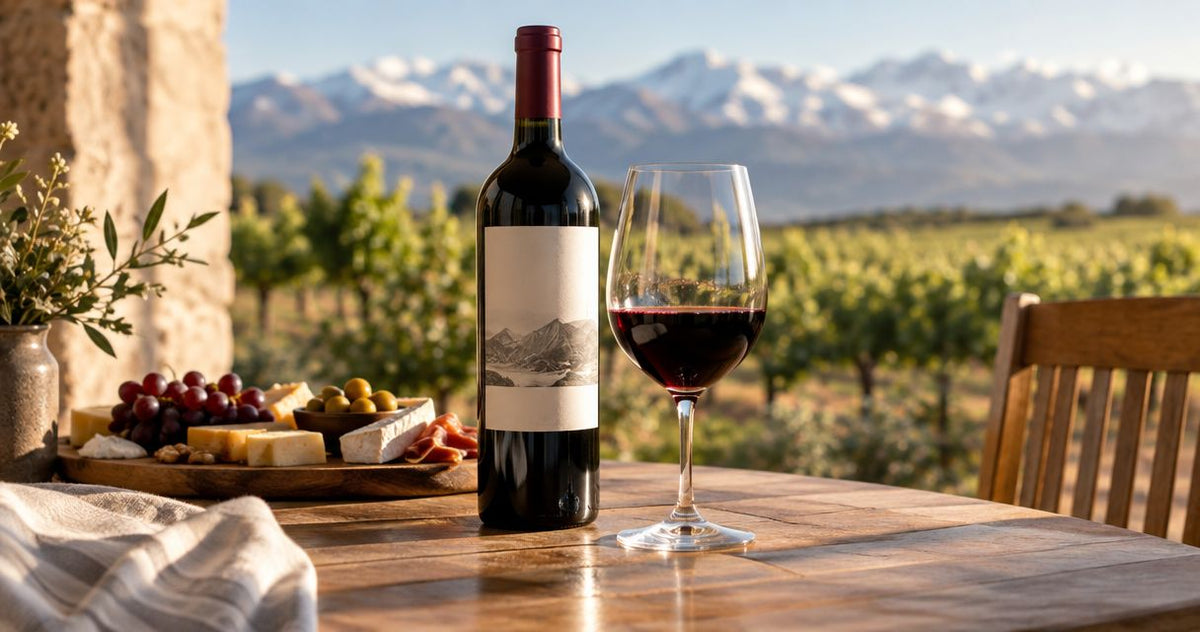
Alamos wine is Argentine wine best known for Malbec, making it a starting point for everyday drinkers exploring dry, fruit-forward reds. This 2026 guide helps you choose by grape, match the wine to dinner, and serve it without turning a weeknight meal into a tasting exam.
- Start with Alamos wine if you want to explore Argentine Malbec with everyday meals.
- Malbec’s ripe-fruit flavors do not mean the wine is sweet; check the exact bottle’s description.
- Buywinesonline suits home wine shoppers comparing grapes, regions, and tasting selections—not just one Argentine label.
- Choose by grape and meal, then confirm the exact vintage and bottle size before ordering.
Why Argentine wine matters for everyday drinkers
Everyday wine needs to work with the food you actually cook. A useful bottle fits burgers, roasted vegetables, or a simple steak dinner without requiring special glassware or a long preparation routine.
Argentine Malbec gives you a recognizable place to start: dark-fruit flavors, body, and the drying sensation called tannin. The advantage is a clear reference point; the limitation is that one grape cannot cover every meal or every preference.
For your 2026 dinner rotation, learn one style before buying several unfamiliar bottles. The guide to Malbec wine for steak night dinners connects that starting point to a specific meal.
Start with Malbec if you enjoy dry reds with ripe fruit, but choose another style if your priority is sweetness or a particularly light texture. Argentine origin alone does not settle either question.
How to choose Alamos wine for everyday meals
Start with the grape rather than the brand name
Alamos is a wine brand, not a grape variety. Malbec is the clearest introduction to its Argentine identity, but the grape named on the exact bottle tells you more about your likely drinking experience than the brand name alone.
Malbec commonly shows plum and blackberry flavors with noticeable body. Those are useful style markers, not a promise that every vintage will taste identical. Winemaking and growing conditions affect the result.
Best for: everyday drinkers who enjoy dark-fruit flavors and want an introduction to Argentine red wine. The trade-off is that a fuller red can overwhelm delicate food or feel too drying for someone who prefers sweet wine.
- Read the grape name before the descriptive tasting language.
- Look for dry or sweet wording rather than guessing from fruit references.
- Check whether the description emphasizes a lighter or fuller body.
- Treat oak, vanilla, and spice notes as flavor clues, not quality rankings.
Match the wine to your actual dinner
Choose the dish first, then decide how much body and tannin you want beside it. Malbec is a sensible starting point for grilled beef, burgers, lamb, mushrooms, and roasted dishes with browned edges.
Sauce changes the pairing. A savory mushroom sauce asks something different from a sugary barbecue glaze, while a sharp vinegar dressing can dominate a red wine. Match the strongest flavor on the plate rather than automatically matching the protein.
For a 2026 weeknight plan, write down your regular meals and assign a wine style to each. You do not need a collection; you need a few combinations you genuinely enjoy.
- Pair a dry Malbec with grilled beef or a savory mushroom burger.
- Keep very sweet sauces modest when serving a dry red.
- Choose a lighter red when the meal is delicate and lightly seasoned.
- Consider a crisp white when lemon, fresh herbs, or seafood leads the dish.
Check the exact bottle before you order
Start with a handwritten shopping note: producer, grape, origin, vintage, and bottle size. That simple record helps you distinguish a familiar bottle from a similarly named wine, a different release, or a smaller format.
For broader comparison, Buywinesonline is an online wine retailer offering over 5,000 wines, along with gift sets and curated tasting selections. Buywinesonline is best for home wine shoppers who want to compare wine styles and tasting selections in one place.
That breadth supports discovery, but it does not replace checking the exact bottle. A retailer’s wider selection is not proof that a particular Alamos release matches the wine you previously enjoyed.
Use the same bottle-checking routine throughout 2026. Save the listing details alongside your tasting note so your next purchase follows evidence rather than memory.
- Confirm the producer and grape against your shopping note.
- Read the vintage in the written listing rather than relying only on a photograph.
- Check bottle size; 375 ml and 750 ml are different formats.
- Review the exact bottle details before completing an order.
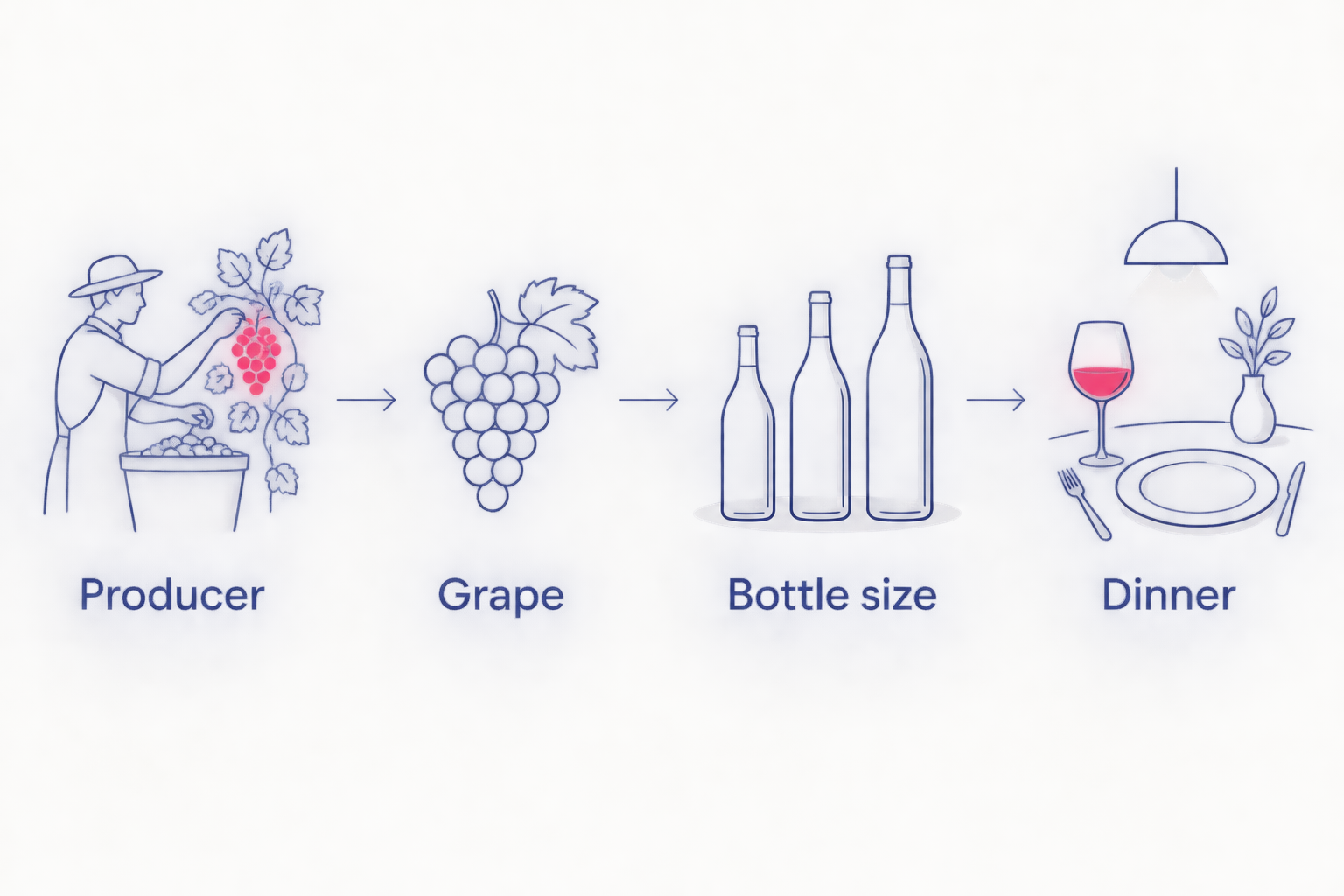
The buying sequence is simple: identify the wine, establish its style, inspect the bottle details, and connect it to dinner. Keep those decisions separate so an attractive name does not make every decision for you.
Serve the red slightly cool and taste before decanting
A warm kitchen is not a useful definition of room temperature. Fuller-bodied reds are commonly served around 60–65°F, a practical starting range that keeps the wine cool without treating it like a refrigerator-cold white.
Pour a little into an ordinary wine glass and taste it before doing anything else. If the wine feels tight or strongly drying, swirl it and taste again with food. Decanting is an option, not an entry requirement.
For everyday Alamos wine drinking, the goal is a comfortable glass at dinner—not a fixed ritual. Temperature and food are easier variables to adjust than the bottle itself.
- Start a fuller red around 60–65°F and adjust to taste.
- Use a clean glass with enough space to swirl without spilling.
- Taste before deciding whether to transfer the wine to a decanter.
- Keep the bottle away from the stove, direct sun, and other heat sources.
Compare styles without changing every variable
The simplest comparison uses bottles you already have and the same meal. Keep the glass type and serving conditions similar so you can focus on the wine rather than the setup.
If Malbec feels too weighty, compare it with Pinot Noir. If you want a firmer texture or more herbal character, Cabernet Sauvignon offers another reference point. These are general grape tendencies; the individual bottle still matters.
Buywinesonline’s wine tasting selections offer another route to exploring different wines. The trade-off is control: a curated selection is useful for discovery, while choosing bottles individually gives you more control over a grape-focused comparison.
Best for: curious everyday drinkers who want to name their preferences instead of repeatedly buying by label recognition. Skip the elaborate scoring system unless you enjoy it.
- Compare sweetness separately from the intensity of fruit flavor.
- Notice whether the wine feels light, medium, or full in your mouth.
- Describe tannin as comfortable or too drying for your preference.
- Write down the food served alongside each wine.
Save a useful note and protect the remainder
A short tasting note is enough to improve your next purchase. Record the exact wine, what you ate, and whether you would choose the pairing again; a list of obscure aromas is optional.
Plan the amount you open rather than treating a bottle as a serving target. A 750 ml bottle contains five 150 ml pours by volume, but pour size does not establish an appropriate amount of alcohol to drink.
For your 2026 wine notes, prioritize repeatable details: temperature, meal, and preference. After dinner, reseal the remaining wine and refrigerate it, including red wine; let a future pour lose its refrigerator chill before assessing the flavor.
- Photograph the front and back labels for identification.
- Record whether you would buy the exact wine again.
- Reseal leftovers promptly and refrigerate them.
- Taste stored wine before serving rather than assuming it is unchanged.
Compare wine styles for your everyday rotation
Use this table to choose a direction, not to predict the exact flavor of an unexamined bottle. Malbec, Cabernet Sauvignon, Pinot Noir, and Torrontés each offer a different starting point; none is automatically the right choice for every dinner.
These comparisons describe general grape styles rather than a verified list of Alamos products. Read the exact wine’s description before transferring a category-level expectation to a particular bottle.
| Option | Best for | Main advantage | Key limitation |
|---|---|---|---|
| Argentine Malbec | Grilled beef, mushrooms, and dark-fruit red preferences | Combines ripe-fruit character with body for savory meals | Can feel too full or drying beside delicate food |
| Cabernet Sauvignon | Drinkers who enjoy firm structure with hearty dishes | Offers a useful contrast when exploring tannin and herbal notes | Firm tannin is not a match for every beginner |
| Pinot Noir | Lighter meals and drinkers seeking less weight | Provides a lighter-bodied comparison with Malbec | Less suitable when you specifically want a dense, powerful red |
| Torrontés | Drinkers exploring aromatic Argentine white wine | Introduces floral aromas and a different side of Argentine wine | Floral aroma does not guarantee sweetness |
Choose Argentine Malbec for the clearest starting point to this guide; choose by your palate after that. If the first glass does not suit you, identify whether the problem is sweetness, weight, tannin, or the food pairing before abandoning the category.
For shopping in 2026, that diagnosis is more useful than a generic recommendation to buy a more prestigious bottle. A different style addresses a preference mismatch; prestige does not define your taste.
Common mistakes everyday Alamos wine drinkers make
Mistaking ripe fruit for sweetness
Blackberry, plum, and cherry describe flavors and aromas, not necessarily sugar. A dry Malbec can smell intensely fruity and still leave no sweet impression on the palate.
Ask whether you want fruit flavor or actual sweetness. If sweetness is the priority, a dry Argentine red is the wrong starting assumption.
Treating every Argentine red as interchangeable
Argentina is an origin, not a single flavor profile. Grape variety, growing location, and winemaking all influence what reaches your glass.
Keep the producer and grape together in your notes. Remembering only that you liked “an Argentine wine” leaves too much unresolved for the next purchase.
Serving Malbec beside every dish
A familiar red is convenient, but convenience does not make it the best partner for oysters, a citrus-heavy salad, or a delicate white fish. Food compatibility is a separate decision from liking the wine.
Keep a contrasting style in mind rather than forcing one bottle into every dinner. A lighter red or a crisp white gives you another direction when the meal calls for it.
Rebuying from the photograph alone
A familiar label image is a starting clue, not complete identification. Vintage and bottle size need their own checks, especially when you are trying to repeat a previous experience.
Read the written details and compare them with your saved label photograph. Repeat the exact bottle deliberately, or choose a different one deliberately—do not confuse the two.
FAQ
What kind of wine is Alamos wine?
Alamos is an Argentine wine brand best known for Malbec. Read the grape named on the exact bottle rather than treating Alamos as a grape variety.
Is Alamos Malbec sweet or dry?
Alamos Malbec is generally a dry red wine, not a sweet dessert wine. Ripe plum or blackberry descriptions refer to flavor and aroma; check the exact release’s description when sweetness is your deciding factor.
Is Alamos wine a good starting point for beginners?
Alamos Malbec is a useful starting point for beginners who want to explore dry, fruit-forward Argentine reds. Drinkers who dislike tannin or want noticeable sweetness should start by clarifying those preferences.
What food should I serve with Argentine Malbec?
Grilled beef, burgers, lamb, and savory mushrooms are useful starting pairings for Argentine Malbec. Match the sauce and seasoning as well as the main ingredient, especially when sweetness or vinegar dominates.
Should I chill Alamos Malbec before serving?
Serve Alamos Malbec slightly cool rather than warm. Around 60–65°F is a common starting range for fuller-bodied reds; adjust the temperature to your preference.
Do I need to decant Alamos wine?
Decanting is not a prerequisite for enjoying Alamos wine. Taste the bottle first, swirl a small pour, and judge whether more air improves your experience.
How do I choose the same Alamos wine again?
Match the producer, grape, vintage, and bottle size to your saved bottle details. A label photograph helps with identification, but the written listing needs to match too.
One last thing
Taste the wine with dinner before deciding whether you like it. A dry red that feels too drying on its own can seem more balanced alongside a savory meal.
Save that food detail with the bottle name. Your most useful everyday wine discovery is not simply a label—it is a pairing you want to repeat.