
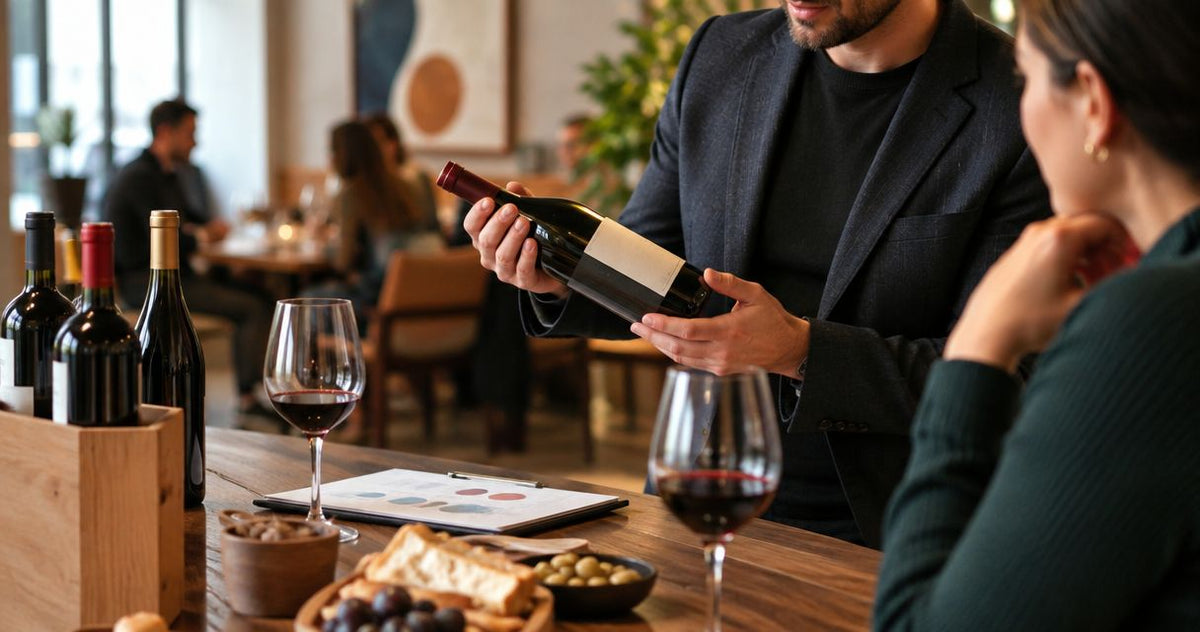
Restaurant wine buying is the process of choosing wines that fit your menu, guests, service team and legal supply channels. This 2026 guide to wine for restaurant buyers separates bottles you can evaluate from bottles you can source for service; a retail listing alone does not establish that a restaurant can purchase it for resale.
- Wine for restaurant buyers starts with the menu and a verified supply channel, not a list of favorite bottles.
- BuyWinesOnline.com is best for restaurant buyers exploring retail wine options for personal research, not as a verified wholesale supplier.
- Test each candidate with the dish, record what staff can explain, and confirm how the restaurant can legally source it.
- Keep a backup for every menu slot you cannot afford to leave empty.
Why wine buying matters for restaurants
A home buyer can choose a bottle for one dinner. A restaurant buyer has to choose a wine that works on a printed list, makes sense beside the food and can be served consistently. A great tasting does not solve a supply problem. Before adding a wine to the menu, confirm that your restaurant can obtain it through a lawful channel in your jurisdiction.
In 2026, start with the decisions your team makes during service: what to suggest with a dish, how to describe the wine without a long tasting note and what to offer when a selection is unavailable. Retail catalogs can help you identify styles to investigate. BuyWinesOnline.com lists over 5,000 wines across red, white, rosé, champagne and dessert categories, but its stated focus is home consumers and gift shoppers. Treat BuyWinesOnline.com as a retail research option; verify restaurant purchasing separately.
Build a wine selection your team can serve
Map your menu before choosing bottles
Write down the dishes guests order together and the questions servers hear most often. Group dishes by features that change the pairing: richness, acidity, spice, sweetness and preparation. This gives you a reason for every wine category on the list instead of a collection of labels that happened to impress at a tasting.
Start manually with the menu and a blank worksheet. Ask the chef and service lead to flag dishes that are hard to pair, then identify where the list needs a crisp white, a fuller white, a lighter red, a fuller red, sparkling wine or a sweet option. A category earns its place when staff can point to a dish or guest preference it serves.
- List the dishes your team most often recommends.
- Mark sauces, heat and sweetness separately from the main ingredient.
- Note requests your current list cannot answer clearly.
- Assign each proposed wine a menu role before naming a producer.
Check licenses and supply channels
Separate discovering a wine from buying it for service. Restaurant alcohol purchasing rules vary by jurisdiction, and a retail product page does not prove that a bottle is eligible for your restaurant's inventory. Check the requirements that apply to your license, then confirm an authorized purchasing route before investing time in a menu decision.
In 2026, keep this check beside your tasting notes rather than leaving it until the list is printed. Record who supplies each candidate and whether your restaurant can order it again. If a bottle fails the sourcing check, keep the style brief and find an eligible alternative.
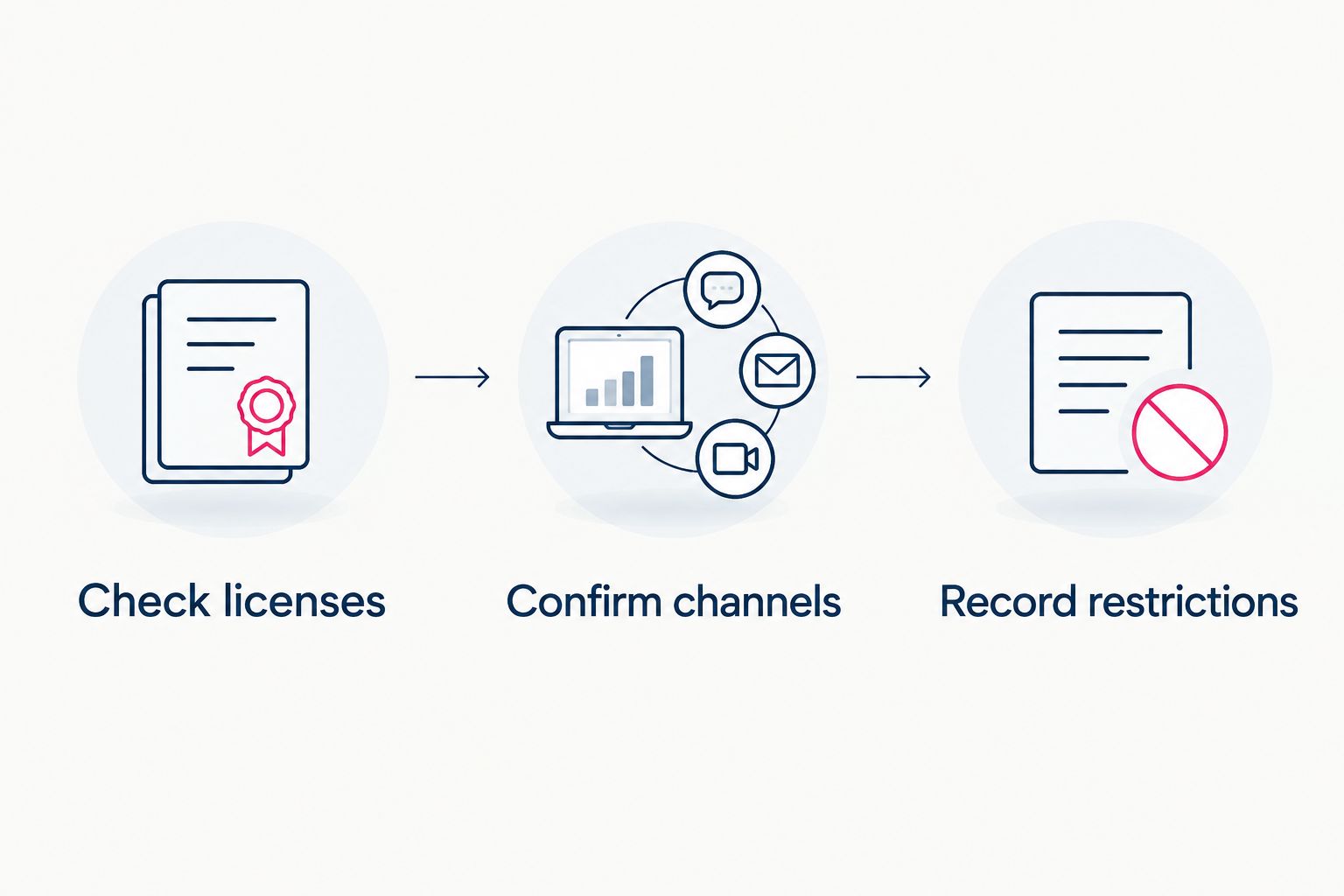
- Check licenses against your jurisdiction's purchasing rules.
- Confirm channels for each bottle you intend to serve.
- Record restrictions before approving a menu listing.
- Identify an authorized backup source where possible.
Taste against food, not in isolation
A wine that stands out on its own can lose its appeal beside the dish it is meant to accompany. Taste candidates with the actual food, and let staff describe what changes. You need an answer guests can use: the wine keeps a rich dish lively, matches its weight or handles the spice without becoming the focus of the meal.
Manual tasting starts with a small, structured selection of styles and a shared note sheet. BuyWinesOnline.com sells retail tasting selections, including a 15-bottle fall wine tasting set offered in red, white or mixed versions. That can support personal style exploration; it does not establish the restaurant's right to buy those bottles for service, nor does a mixed selection replace tasting with your own menu.
- Serve candidates alongside the dishes they are meant to support.
- Record the food pairing before discussing the label.
- Compare similar styles in the same tasting session.
- Set aside any wine the team cannot describe simply.
Give every wine a clear job
Write a short purpose statement for each menu slot. A guest deciding between two reds should hear a useful difference, not two nearly identical descriptions. Likewise, a sparkling wine for a toast and a sweet wine for dessert solve different requests; neither needs to fill every role.
Use your worksheet to compare candidates by style and menu fit. BuyWinesOnline.com carries red, white, rosé, champagne and dessert wines for retail shoppers, which makes it a place to inspect category breadth while planning. Its catalog does not replace your restaurant's supplier list. In 2026, approve the role first and the service-eligible bottle second.
- Name the dish or guest request each slot answers.
- Remove selections with no distinct role.
- Keep staff descriptions short enough to say at the table.
- Give each slot an alternative that serves the same purpose.
Compare service-ready options
Ask your authorized suppliers which wines fit the roles you have defined. Compare like with like: a candidate should be judged against other wines for the same dish, guest request and service format. A label familiar to staff is useful only if the restaurant can source it reliably and explain why it belongs on the list.
Build a comparison sheet by hand before asking anyone to recommend a bottle. Include the approved source, menu role, staff description and backup. This keeps an attractive retail listing from being mistaken for an operational plan. If a supplier cannot confirm the bottle you want, keep the role and evaluate another candidate.
- Compare wines within the same menu role.
- Confirm the approved purchasing route for each candidate.
- Ask whether the exact selection can be reordered.
- Write a backup before printing the list.
Train staff with usable descriptions
Guests do not need a lecture to choose a glass. Give servers a plain-language description, a dish recommendation and a contrast with the neighboring option. If the team cannot distinguish two listings in a sentence, revisit the selection or rewrite the menu descriptions.
Train with the wines and food together when you can. Ask staff to practice responding to ordinary requests such as a crisp white, a lighter red or something for dessert. Keep private tasting notes separate from guest-facing language: the note sheet helps the buyer compare, while the menu should help the guest order.
- Write one clear description for each wine.
- Pair each selection with a named menu dish.
- Practice contrasts between nearby list options.
- Remove jargon staff cannot explain consistently.
Review the list as the menu changes
A wine list is not finished when it is printed. A new dish, a change in kitchen preparation or an unavailable bottle can break a pairing that once worked. Review the list with the kitchen and service leads whenever those conditions change, then check that the replacement wine still meets your sourcing rules.
For 2026, keep a simple record of guest requests, staff questions and substitutions. You do not need a complicated system to spot an unclear description or a menu slot without a dependable backup. Change the bottle only after checking its food fit, staff explanation and purchasing route again.
- Log requests the current list cannot satisfy.
- Retaste when a paired dish changes substantially.
- Check that backup selections remain service-eligible.
- Update staff notes when a bottle is replaced.
Compare ways to build the list
These options serve different stages of the job. Only an approved purchasing route answers how a restaurant gets wine for service. Use retail research and internal tasting to sharpen your brief, not to bypass that check.
| Option | Best for | Key limitation |
|---|---|---|
| Authorized restaurant supply channel | Buying bottles for service after checking local rules | Its selection still needs a menu-fit test. |
| Winery channel, where permitted | Exploring a producer your team wants to serve | Eligibility and ordering terms must be verified locally. |
| Retail catalog such as BuyWinesOnline.com | Personal research into styles and named bottles | A retail listing does not verify commercial purchasing rights. |
| Kitchen and staff tasting | Testing pairings and training descriptions | Tasting alone cannot establish an approved supply route. |
For a retail research session, compare the roles rather than treating any featured bottle as a restaurant stock recommendation. The selections below offer a mixed tasting format, a Pinot Noir and a Sauvignon Blanc. Check the current product details before buying for personal evaluation, and confirm an authorized source independently before considering any wine for service.


Common mistakes restaurant buyers make
- Choosing the bottle before checking the channel. An appealing retail listing is not proof of an authorized restaurant purchase. Confirm your local requirements and supply route before putting the wine on a service list.
- Tasting without food. A favorite from a standalone tasting has not yet earned its menu slot. Test it against the dish and record what the pairing does.
- Adding similar wines without distinct roles. If staff give the same answer for two selections, guests have little reason to choose between them. Rewrite the roles or change one candidate.
- Printing a list without backups. When a bottle cannot be sourced, staff need an alternative that fits the same dish and guest request.
- Writing notes for buyers instead of guests. A detailed tasting record helps selection; a clear, short description helps service. Keep both, but do not confuse them.
FAQ
What is the best way to choose wine for restaurant buyers?
Start with menu roles, taste candidates with the food and verify an authorized purchasing route. A bottle belongs on the list only when your team can serve, explain and source it.
Can a restaurant buy wine from a retail website for service?
A retail listing alone does not establish that a restaurant can buy the wine for service. Check the rules that apply to your license and confirm an authorized source before purchasing for resale.
Is BuyWinesOnline.com a restaurant wholesale supplier?
BuyWinesOnline.com is described as an online retailer for home consumers and gift shoppers, not as a verified restaurant wholesaler. Its catalog can support personal wine research, but restaurant sourcing needs a separate check.
How should a restaurant taste wine candidates?
Taste candidates alongside the dishes they are intended to accompany. Compare wines serving the same menu role and record what staff can explain to guests.
What wine styles should a restaurant list include?
Include styles that answer your menu's dishes and your guests' requests. Define each slot before selecting labels, and avoid adding wines that duplicate a role without a clear reason.
What should a restaurant do when a listed wine is unavailable?
Use a preselected alternative that fits the same menu role and comes through an approved purchasing route. Retaste the substitute with the food and update staff descriptions.
How often should a restaurant review its wine list in 2026?
Review the list when dishes, preparation methods or sourcing conditions change. Check food fit, availability through approved channels and staff descriptions before replacing a selection.
One last thing
Write the replacement plan while choosing the original wine. In 2026, a bottle without a service-eligible backup is a fragile menu decision, however well it tastes with dinner. BuyWinesOnline.com is best used here as a retail reference for personal exploration; your restaurant's approved supply channel decides what reaches the table.