
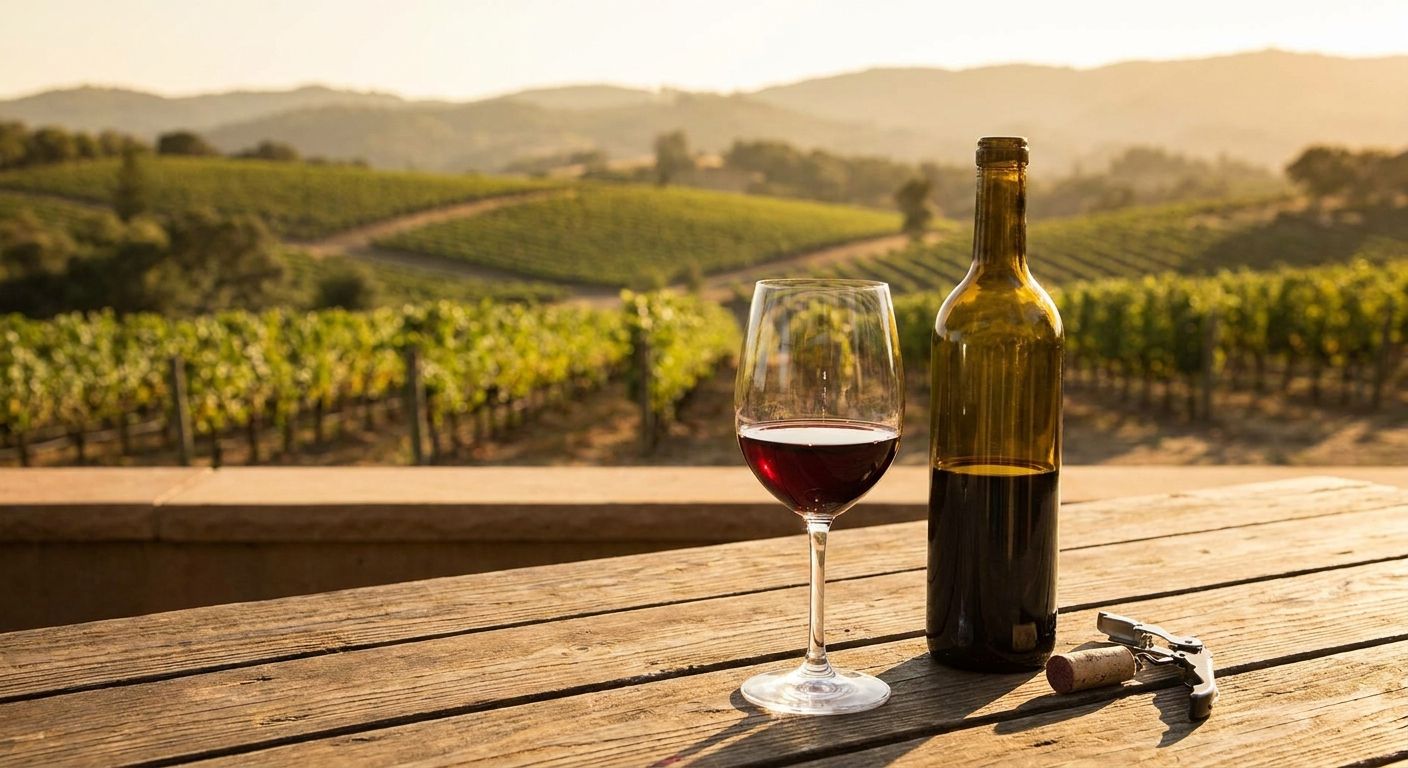
You don't need a $150 bottle to drink well on a Tuesday. This guide names the California red wines built for regular rotation, not the trophy shelf, and tells you which bottle to buy tonight.
- Bonanza Cabernet Sauvignon Lot 9 is the safe pick for california red wine for everyday drinking in 2026 — buy it.
- Non-vintage blends and multi-region Cabernets outperform single-vineyard bottlings for weeknight consistency.
- Frank Family Vineyards Cabernet Sauvignon 2023 and Chateau Buena Vista Cabernet Sauvignon Napa Valley 2022 give you Napa fruit without cult pricing.
- Skip anything marked Reserve, Proprietary, or single-vineyard if you're restocking weekly rather than cellaring.
Why this matters
Most people searching for california red wine for everyday drinking already own one $80 bottle for special occasions and need six more for the rest of the month. Buy Wines Online carries both ends of that shelf, but the everyday tier gets buried under Napa cult Cabs and library releases. This guide separates the two so you stop paying collector prices for a wine you're drinking with pizza on a Wednesday in 2026.
The distinction matters because everyday reds and special-occasion reds are built differently. One is bottled for consistency and reorder ease. The other is bottled to age, to impress, or to sit in a cellar for a decade. Buying the wrong one for the wrong night either wastes money or wastes a wine that deserved more attention than a weeknight taco plate.
Who this is for
This is for the home drinker who opens a bottle two to four nights a week, wants a California red that tastes the same every time they buy it, and doesn't want to think hard about pairing or decanting. It's not for the collector chasing allocation lists or the gift buyer looking for a splurge bottle — those searches belong on a different page.
What to look for in a california red wine for everyday drinking
Price sits in the $12-$25 lane
Below $12, quality control gets shaky across vintages. Above $25, you're paying for scarcity or a single vineyard site, not for something that drinks noticeably better on a Tuesday. The sweet spot for reorderable California reds in 2026 sits between $12 and $25 a bottle.
The blend stays consistent release to release
A lot-numbered or non-vintage blend (Lot 9, NV) means the winery is matching a flavor profile every year instead of bottling whatever that vintage produced. That consistency is exactly what you want when you're buying the same wine six times a year.
Medium body and soft tannin
A red built for everyday drinking should work solo, in a glass, with no food on the table. High-tannin, high-oak Cabernets need a steak or a decade in the bottle to soften — neither fits a Tuesday.
It's actually available to reorder
Check whether the bottle is a standing SKU or a limited allocation. A wine you love but can't buy again next month isn't an everyday wine, it's a one-off.
Regional blend vs. single appellation
A broad California appellation gives the winery flexibility to smooth out weather variation across years. A tightly defined AVA — Rutherford, Stags Leap, Oakville — costs more and swings more with vintage conditions, which is a feature for collectors and a liability for weeknight buyers.
Food flexibility over food matching
You want a red that works with burgers, pasta, pizza, and takeout, not a wine that needs a specific protein and reduction sauce to show well.
Top picks for everyday drinking
Bonanza Cabernet Sauvignon Lot 9 — the safe pick. Bonanza uses a lot-numbering system instead of chasing vintage variation, so Lot 9 tastes like Lot 8 tasted like Lot 7. That repeatability is the single biggest reason to keep it in rotation. Verdict: Buy.
Frank Family Vineyards Cabernet Sauvignon 2023 — the step-up pick. Frank Family sources from Napa Valley fruit but prices the wine for regular drinking rather than collecting, and the 2023 release drinks approachable now instead of needing cellar time. Verdict: Buy.
Chateau Buena Vista Cabernet Sauvignon Napa Valley 2022 — the Napa-without-the-markup pick. It carries the Napa Valley appellation on the label, which matters if you want that specific region without paying cult-Cab prices. Verdict: Consider.
Kallan Vintners' Adani Cursor Cabernet Sauvignon 2022 is worth a mention too — it's a smaller-production bottling that trades brand recognition for a lower price point, which makes it a reasonable rotation-breaker once you've settled into a routine with the picks above. Verdict: Consider.
For bottles specifically under $20, three non-vintage and recent-vintage blends stand out from the current catalog:


What to avoid
- Cult Cabernets bottled for allocation lists. Names like Opus One, Hundred Acre, and Caymus Special Selection are built for collecting and special occasions, not for a Tuesday pour — the pricing and scarcity reflect that.
- Single-vineyard Reserve and Proprietary bottlings. These are made to show a specific site in a specific vintage, which is the opposite of the consistency you want from a weeknight red.
- Damaged-label and remaining-stock clearance listings. They're one-off inventory, not a bottle you can reorder next month, so they don't fit a repeatable everyday habit even when the price looks good.
“A non-vintage blend that tastes the same every time you buy it beats a single-vineyard Cabernet that changes with every harvest.”
Verdict comparison
| Pick | Style | Vintage | Best for | Verdict |
|---|---|---|---|---|
| Bonanza Cabernet Sauvignon Lot 9 | California blend, lot-numbered | Lot 9 (non-vintage) | Weekly reorders | Buy |
| Frank Family Vineyards Cabernet Sauvignon | Napa Valley Cabernet | 2023 | Step-up nights | Buy |
| Chateau Buena Vista Cabernet Sauvignon | Napa Valley appellation | 2022 | Napa fans on a budget | Consider |
| Kallan Vintners Adani Cursor Cabernet Sauvignon | Small-production Cabernet | 2022 | Rotation-breaker | Consider |
| Robert Mondavi Private Selection Red Blend | Rye-barrel-aged blend | 2021 | Spice-forward pairings | Buy |
FAQ
What's the best california red wine for everyday drinking in 2026?
Bonanza Cabernet Sauvignon Lot 9 is the top everyday pick for 2026 because its lot-numbering system keeps the blend consistent across releases. Frank Family Vineyards Cabernet Sauvignon 2023 is the best step-up option when you want Napa Valley fruit.
Is Cabernet Sauvignon or red blend better for everyday drinking?
Red blends are generally easier for everyday drinking because winemakers adjust the mix each release to keep the profile consistent. Cabernet Sauvignon works too, but pick a broad California appellation over a single-vineyard bottling.
How much should you pay for a good everyday California red?
Plan on $12 to $25 a bottle for a California red built for regular drinking in 2026. Below that range quality gets inconsistent; above it you're usually paying for scarcity, not everyday drinkability.
Is Napa Valley Cabernet too fancy for weeknight drinking?
Not if you pick the right bottling. Chateau Buena Vista Cabernet Sauvignon Napa Valley 2022 carries the appellation without cult-Cab pricing, making it a reasonable weeknight Napa option.
What food pairs with an everyday California red blend?
Burgers, pizza, pasta with red sauce, and takeout all work with a medium-body California red blend. Save high-tannin single-vineyard Cabernets for steak nights instead.
Should you buy wine by the case for everyday drinking?
Buying by the case makes sense once you've confirmed a bottle is a standing SKU you can reorder, since case discounts only pay off on wines you'll actually rebuy in 2026 and beyond.
Does vintage matter for inexpensive California reds?
Less than it does for premium single-vineyard wines. Non-vintage or lot-numbered blends like Bonanza are built specifically so vintage variation doesn't change the wine you're used to.
Are damaged-label or remaining-stock wines a good everyday buy?
They can be cheap, but they're one-time inventory, not a bottle you can reorder next month, so they don't fit a repeatable everyday-drinking routine.
One last thing
The lot-numbering trick is the detail most shoppers miss. A wine labeled with a lot or NV designation instead of a single vintage year is telling you the winery blended for a flavor target, not for what one harvest happened to produce — that's the closest thing to a guarantee you'll get that the bottle you loved last month tastes the same this month.